Table of Contents
Summary:
"Anti-anxiety drugs can be used for dogs in combination with behavior modification techniques and when necessary, by changing a dog's environment. Anxiety is usually in reaction to some type of stimulus, has an unknown cause, or is a separation anxiety. Preferred drugs for separation anxiety are called tricyclic antidepressants with the most commonly prescribed drug clomipramine hydrochloride (Clomicalm® of Anipryl®). Drugs for all types of canine anxiety are referred to as psychotropic drugs and pheromones. Natural remedies can also help to calm an anxious dog. The prognosis for dog anxiety related problems treated with medications and natural remedies is good."
Overview
An anti anxiety dog drug is appropriately used along with behavior modification techniques when behavior methods alone do not resolve the anxiety symptoms in the dog. Untreated, anxiety can have severe negative effects on your pet’s health. If you notice signs of anxiety, you should take steps to treat the condition, and see your vet if you are unable to solve the problem on your own. Medications are used to treat two types of anxiety: where the cause of the dog anxiety can be identified as in phobias; and those cases where there is no known cause.
Symptoms of Canine Anxiety
Anxiety symptoms in dogs include behavior such as excessive licking, pacing, chewing furniture or otherwise damaging household goods when left alone, urinating or defecating in the house, and aggressive behavior.
Symptoms may become worse when the dog is left alone. Symptoms may develop when there is a sudden change going on, such as a move to a new home, a change in the family, or other change in the dog’s routine.
Diagnosing Anxiety in Dogs
Diagnosing anxiety disorders in dogs and determining if an anti anxiety dog drug is appropriate or not can be difficult. If you see symptoms of anxiety in your pet, you can try some of the steps discussed in the treatment section below, but if those don’t help, see your vet. Before diagnosing an anxiety disorder, your vet may need to do some tests to rule out other health problems first.
If your vet does not find any physical cause for the symptoms, he or she may diagnose an anxiety or stress disorder. It is important to realize that while an anxiety disorder affects your dog’s behavior, it can also affect his health. For instance, dogs with anxiety disorders may develop digestive problems. It may take some time for your vet to determine if an illness is caused by stress or some other cause.
Treating Anxiety with Anti Anxiety Dog Drugs
Before prescribing medication for anxiety, vets will advise you about ideas for making environmental and behavioral changes that may reduce your pet’s anxiety. Sometimes simple things like giving your dog extra attention and maintaining a regular schedule for feeding, walks, and playtime can help a lot.
If environmental and behavioral changes don’t solve the problem, then anxiety dog meds may be prescribed. Commonly prescribed medications include clomipramine, fluoxetine (Prozac), and amitriptyline. These medications are usually given once a day. They are not for use only when your dog appears particularly anxious, but must be given on a regular basis, just as in people. Make sure you follow your vet’s instructions on how to give the medications.
An alternative to prescription medicines are herbal and homeopathic approaches. Remedies such as PetAlive PetCalm Formula for Anxious and Stressed Pets contains a special blend of ingredients known for their calming and soothing effect and are given to your dog just before any event that may cause stress (company, fireworks, trip to vet etc.).
Of course, any stress-related physical illness, such as digestive problems, should be treated medically as well.
Ask Our Vet A Question or Share Your Story
Have A Dog Behavior Question or Story?
Do you have a question for our veterinarian about Dog behavior? If yes, we will answer it for free.
We will do our best to get back to you quickly (depends on how many questions we receive each day). If you do require an immediate response we suggest using this online dog veterinary service that is available now.
What Other Visitors Have Said
Click below to see contributions from other visitors to this page...
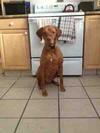
Dog Anxiety Issues, Biting and Medication 
Our dog is a 5-year-old Hungarian Vizsla. He is the most well behaved and trained dog both generally and for hunting. Unfortunately he has severe anxiety …
References
How to Deal with Anxiety and Stress Responses: Dogs
Overall, Karen


