Table of Contents
What You Need to Know
While asthma in dogs is relatively rare, it does occur in some dogs. Asthma, also known as allergic bronchitis, is an allergic reaction in which the bronchi (the air passages that go into the lungs) fill with mucous and go into spasms, making it hard to breathe. The most common chronic respiratory impairment in dogs in chronic bronchitis (CB).
Triggers for asthma may include allergens, tobacco smoke, pollution, dust from litter trays, stress and cold air. Just like humans, dogs may also be sensitive to certain foods, as well as food additives, preservatives and artificial colors.
The goal of treatment is through trial and error to find the best combination of medications and support therapies to minimize or eliminate future attacks.
Dogs suffering from asthma can find relief in environmental changes, prescription medicines, and homeopathic treatments.
What is Asthma in Dogs?
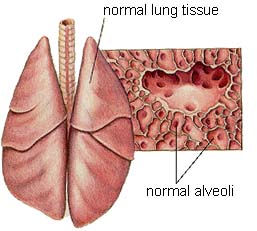
Asthma in dogs is a condition in which the bronchi (air passages to the lungs) fill with mucous, swell, and begin to spasm. This limits the amount of air that can reach the lungs. It can be a very serious condition.
What Triggers Asthma in Dogs?
A trigger is anything that irritates the airways and causes the symptoms of asthma to appear. Common triggers include colds or flu, cigarette smoke, exercise, and allergies to things like pollen, house-dust mites or furry or feathered animals. Everyone’s asthma is different and asthma may have several triggers.
Symptoms
A dog with asthma will be symptom-free much of the time. When your dog does have symptoms or has an asthma attack, the primary symptoms are coughing, wheezing, and gasping for air.
Your dog may also seem
unable to "catch his breath." He may seem to be gasping for air. He may move his body around in odd ways, trying to get more air, or he may paw at his face. He will likely panic, just as anyone would who cannot breathe.
Diagnosis
It can be a bit tricky to diagnose canine asthma. The range of diseases that need to be ruled out include Kennel cough, infection, collapsing trachea, laryngeal paralysis, heart disease, heartworms, lungworms, fungal diseases, and lung tumors. First, the vet will get a history from you. Then he or she will examine your dog and take a chest x-ray to rule out any other medical problems that could be causing the symptoms you describe.
Since your vet will probably not be there to witness your dog's asthma attack (record it if you can with your phone), he or she will have to make a dog asthma attack diagnosis another way.
Your vet will first do a complete physical exam followed by a chest x-ray and brochoscopy (taking a tissue sample to examine under microscope) to rule out any other respiratory problems. The X-Ray generally reveals the presence of abundant yellow-green mucoid material with thickening or polypoid change to the mucosa and occasional partial airway closure during expiration.(1)
If your vet doesn't find any other cause for your dog's symptoms, he or she will probably prescribe asthma medications and wait to see if those help. If they do, then if can be concluded that the diagnosis of asthma is correct.
Dog Asthma Treatment
Three things need to be achieved when treating canine asthma. First, broncho-dilation must occur (a widening of the lumen of the bronchi, allowing increased airflow to and from the lungs). Secondly, the veterinarian will need to address any inflammation that is the underlying cause of the broncho-constriction. In dogs with chronic bronchitis, cough suppressants may be required.
Once the dog's condition is brought under control, the therapeutic goal is to manage symptoms and slow down its progression. An asthmatic dog requires long term care for the life of the dog.
Treatment for an asthma sufferer generally consists of antihistamines, steroids, bronchodilators, or a combination of these drugs. Antihistamines help by drying up excessive fluid and mucous in the lungs and bronchi. Steroids work by controlling the inflammation of the lungs. Bronchodilators are used to reverse the swelling of the bronchi. Your vet will work with you to determine the best treatment regimen for your dog. Corticosteroids, reduce the inflammation of the lungs and bronchi; antihistamines, reduce the amount of fluid and mucous in the airways; and bronchodilators, which reduce the swelling of the bronchi. Often a combination of medications is prescribed.
The veterinarian will try a combination of medications to bring the condition under control. With dog asthma attack treatments, the first line of defense is prevention. Your vet will likely prescribe some sort of medication designed to prevent future asthma attacks.
Some of these medications are taken orally, while others are inhaled. If your dog needs to use inhalation medication, your vet will teach you how to administer it. You will be given a face mask to put over your pet's mouth and nose, and it will connect to a short tube (called a spacer) into which you will squeeze a short puff of the medication. Your dog will need to breathe the medication for seven to ten seconds. Some amount of experimentation is needed to determine the right drug or combination of drugs.
During a severe attack, an injection of epinephrine may need to be given. This will immediately reduce the swelling of the respiratory passages. If your dog has severe asthma attacks, your vet will show you how to administer the injections in case they are needed.
Even with regular medication, your dog may have an asthma attack. When this happens, try to keep your dog calm. The attack will pass.
If your dog has severe asthma attacks, your vet may prescribe medication to be given at the time of an attack. Epinephrine is a medication given by injection that will work immediately to reduce the swelling of the airways. Your vet will teach you how to administer the medication.
Homeopathic (Non-Prescription) Supplements
Herbal and homeopathic asthma treatment is an additional approach to try based on the severity of the asthma. Natural remedies such as AmazaPet are gently effective without the side effects or other complications that often accompany conventional drugs. Check with your veterinarian about alternative approaches.
With proper treatment, a canine asthma sufferer can lead a normal, happy life.
Sources
(1) Do dogs and cats get asthma?
Michael J. Day; BSc BVMS(Hons) PhD DSc DiplECVP FASM FRCPath FRCVS; School of Clinical Veterinary Science , University of Bristol, Langford, United Kingdom
Acute Respiratory Distress
Rebecca Kirby, DVM
Respiratory Drugs Used in Clinical Practice
Padrid, Philip DVM


