Table of Contents
Overview | High Protein & Low Carb Diet | Starch Research | Natural Support | Q&A
Summary:
"A dog diabetes high protein diet combined with proper levels of exercise, prescribed medications and nutritional supplements can be an effective way to control canine diabetes.
It is best to work closely with your veterinarian and nutritionist to benefit from the latest thinking on the subject combined with an understanding of your dog. For example, recent research has indicated that a diet based on sorghum resulted in a lower post-meal glucose response than a diet based on rice.
The goal is to find the perfect balance between dietary ingredients, medications and exercise. Any changes in diet will change this balance, which is why veterinarian input is critical. Beyond the science, a diet should also be formulated to that your dog eats what is provided."
Overview
The types or source of calories consumed can have a large impact on the glycemic response of dogs. Dogs that are thinner and more muscular (lean) tend to have internal systems that are more active (called having a more active metabolism).
Muscle helps maintain a healthy level of energy expenditure, even when the dog is at rest. In turn this can help prevent excess weight gain. Lean body mass is associated with better glycemic control, while increased body fat is associated with poorer glycemic control. Increased fat deposits (adiposity - when you see a ring of fat around a humans waist) occurs in dogs as they age, and older dogs tend to have poorer glycemic control as compared to younger dogs.
After a meal, blood glucose surges appear to be regulated by multiple factors in the diet such as the chemical makeup of carbohydrates,the type of dog diabetes high protein diet selected, fat, dietary fiber, and the type of food processing used.
Dog Diabetes High Protein Diet
A high quality, high protein diet is essential to managing and maintaining optimal body weight for dogs with diabetes. These types of diets contain a balance of amino acids that are highly digestible.
A dog diabetes high protein diet includes chicken, fish, lamb, egg, and beef as opposed to plant protein which isn't as good. Plant proteins generally are less bioavailable and have a less desirable balance of amino acids.
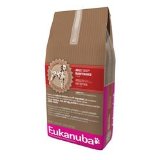
Commercially available foods for a dog diabetes high protein diet include:
- Eukanuba© Adult Maintenance
- Eukanuba© Adult Reduced Fat for weight control
- Eukanuba© Adult Reduced Fat food for weight loss
Low Carbohydrate Canine Diet for Diabetes
Carbohydrates provide an excellent source of energy for dogs. Different types of carbohydrates have different impacts on metabolism.
Carbohydrates are divided into three categories: simple sugars, complex carbohydrates, and dietary fiber. Simple carbohydrates are often referred to as "simple sugars", require little or no digestive breakdown, and are readily absorbed from the small intestine. Some examples include fructose (fruit sugar), sucrose (table sugar) and lactose (milk sugar). Complex carbohydrates are also made up of the simple sugars but are strung together to form much longer and more complex carbohydrate chains that do require additional breakdown by intestinal enzymes before they are absorbed and utilized by your dog. Some examples of complex carbohydrates include starches such as whole grains and potatoes.
Dietary fiber is another form of carbohydrate, but is fermented by bacteria in the colon instead of being digested in an intestine. Complex carbohydrates are the largest source in dog foods and affect glucose metabolism the most.
Insulin, Food Intake, and the Effect on Glucose Levels
After dietary starch is digested, the resulting glucose is readily absorbed from the small intestine, and circulates in the bloodstream to provide tissues with needed fuel. The rate of starch digestion and absorption is directly responsible for the rise in blood glucose immediately following meal.
Choosing the appropriate source of starch will have a substantial effect on a dog's blood sugar status. Insulin is a hormone secreted by the pancreas in response to elevated blood levels of glucose. The size of the insulin response is directly proportional to the level of glucose present in the bloodstream.
More glucose present in the blood will result in greater levels of insulin being released. Insulin promotes the efficient storage and use of glucose molecules by controlling their transport across cell membranes, permitting cellular uptake and metabolism of glucose.
A dog's post-meal insulin level is strongly influenced by digestion and absorption of the starch contained in its diet. Recent studies show that it is not true that complex carbohydrates (starches) result in lower glucose surges after digestion.
The dietary levels of carbohydrates and its effect on glycemic response have been used to explain approximately 90% of the reason for differences in glucose and insulin responses to a meal in humans. Similar studies have not been done on dogs although the response is expected to be the same.
Starch Research
The Iams Company designed a study to evaluate the blood sugar response of diets containing varying starch sources as a chief source of energy in 30 weight stable, clinically normal, adult dogs. Dogs were randomized to five different diets: corn, wheat, barley, rice, and sorghum. The experimental diets were processed similarly (32% protein, 10% fat, 30% starch) with each starch source consisting of whole grain without the hull. The five experimental diets were formulated to have a similar starch content so that blood sugar response was not influenced by differences in carbohydrate intake.
Supplementation of micro nutrients was held constant among diets since certain vitamins and minerals have been shown to alter signs of glycemic status. Dogs were fed their respective diets to maintain body weight for two weeks, followed by a blood sugar response test.
The rice diet resulted in higher glucose levels from 20 to 180 minutes after eating and also the greatest average glucose after meal peak (Figure 3). The sorghum diet had consistently lower after-meal plasma glucose levels than the other diets between 20 and 60 minutes and the glucose levels gradually increased for the remainder of the time points.
The sorghum diet also resulted in the lowest average glucose levels. The glucose response to corn, wheat, and barley were intermediate to sorghum and rice with corn tending to yield the lowest glucose response of the three diets. The rice diet had a significant increase in blood insulin levels at 45- and 60-minute time points over all other experimental diets. The rice diet also resulted in a higher average insulin level, and insulin peak.
Conversely, the barley diet resulted in the lowest plasma insulin levels from 20 minutes to 240 minutes and the lowest insulin response. The corn, wheat, and sorghum diets were generally intermediate for most insulin response criteria.This study showed that the rice-based diet increased the blood sugar response after a meal and resulted in significantly higher post-meal glucose and insulin responses.
Sorghum generally resulted in the lowest post-meal glucose response while barley resulted in the lowest post-meal insulin response. These findings suggest that the source of starch influences the glucose and insulin response in dogs after a meal.
Dog Diabetes Herbal and Dietary Supplements Support
There is a great deal of evidence to indicate that the use of carefully chosen herbal and dietary supplements can offer support to help both prevent diabetes and to keep it under control in dogs who have already developed it.
Dietary supplements can reduce or eliminate the need for prescription medication and can also aid in preventing some of the tissue and organ damage associated with uncontrolled blood sugar levels. Herbs to look for include:
- Vaccinium myrtilus (Bilberry): Research has demonstrated that Bilberry can reduce blood sugar levels in Type 11 Diabetes and can also increase insulin production. Bilberry is a very powerful anti-oxidant due to high levels of anthocyanosides, which help to prevent cell damage caused by free radicals. Regular use of Bilberry also helps to maintain healthy vision and is known to strengthen the tiny blood capillaries which carry oxygen to the eyes. It can also help with wound and tissue healing and other circulation problems associated with diabetes.
- Galega officinalis: Research has suggested that the use of Galega officinalis can enlarge the Islets of Langerhans in the pancreas, which are responsible for the production on insulin. Regular use can therefore improve your dog's ability to produce insulin.
- Trigonella foenum-graecum (Fenugreek): Clinical trials in India suggest the the use of Fenugreek may help to reduce blood sugar and harmful fats in insulin dependent diabetics. Fenugreek also has antispasmodic and anti-inflammatory properties and is very beneficial as a digestive and kidney tonic, which in turn helps to prevent the urinary tract problems often associated with diabetic dogs.
- Astragalus membranaceus: is also known as Huang qi in
Traditional Chinese Medicine. More recent research has highlighted the
ability of this remedy to improve the functioning of the immune system
and protect against disease. This is particularly important in the case
of the diabetic dog as chronic diabetes may compromise immune
functioning and make your pet prone to opportunistic illnesses.
Astragalus also helps to lower blood sugar levels, accelerate wound
healing, relieve fatigue, lower blood pressure and regulate water
metabolism, thus preventing the bloating often associated with diabetes.
- Chromium: This is a mineral supplement which has been
clinically proven to improve the effectiveness of insulin and is the
most easily absorbed form of chromium. It also helps in the breakdown
of fats and can therefore balance cholesterol levels and reduce the
risk of heart disease.
A good commercial source for research and to purchase supplements is GlucoEnsure.
As mentioned, work with your veterinarian to find the proper balance of nutrition, medications, supplements and exercise. Medications such as insulin will need to be adjusted depending on the diet you select for your dog. Last, work toward a diet that achieves the desired medical outcome as well as something your dog looks forward to each day.
Helpful Resources
General information on Canine Diabetes
Ask a Question or Share Your Story
Have A Dog Diabetes Question For Our Editors?
Do you have a canine diabetes question for our editors or a helpful Story to Share? Please include information such as medical history (describe visits to vet and any diagnosis/test results), age, sex, breed, diet, medications your dog is taking, recent changes in behavior (lethargy, appetite), etc.
Just fill out the form below. There is no charge for this service.
If you do require an immediate response we suggest using this online dog veterinary service that is available 24 hours a day. You decide how much to pay the Vet answering your question and you only pay when satisfied with the answer.
What Other Visitors Have Said
Click below to see contributions from other visitors to this page...
Diabetic Dog Proper Nutrition Not rated yet
Reader Question : What is the best diet for a diabetic dog?
My 6 year old Maltese became diabetic a couple of years ago. He gets 2 insulin shots per …


