Table of Contents
OVERVIEW | CAUSE AND TRANSMISSION | SYMPTOMS | DIAGNOSIS | TREATMENT| ZOONOTIC IMPORTANCE
What You Need to Know About Toxoplasmosis in Dogs:
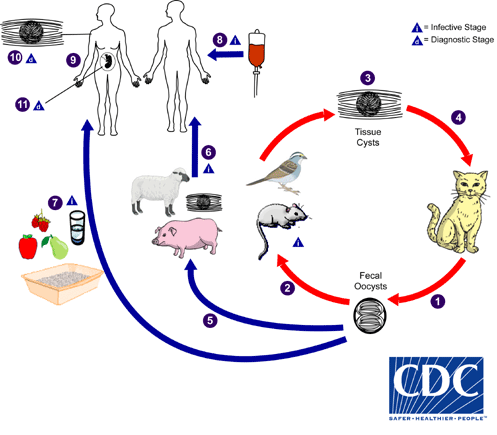
Toxoplasmosis in dogs is a parasitic disease caused by the protozoal specie Toxoplasma gondii, which is primarily transmitted by cat feces with flies and cockroaches etc acting as an intermediate host. Toxoplasmosis can also be passed through unwashed fruit or raw meat. Animals as well as humans are at risk with a high prevalence of zoonoses, which means diseases which naturally transfer from animals to humans.
Clinically, canine toxoplasmosis is identified as a generalized condition with symptoms such as anorexia, fever, diarrhea, cough, dyspnea (difficulty breathing), jaundice and ultimately death. Being a general condition, toxoplasmosis spreads systematically and affects various physiological systems. The severity of the disease depends upon the number of parasitic species infesting the dog. Dogs with strong immune systems can control the spread of the parasite. The exception is puppies where the parasite can spread.
Diagnosis is based upon a review of clinical symptoms and different biological, histological and serological laboratory tests. Treatment is with antibiotics, while symptomatic and supportive therapies are mandatory. Supportive therapies can include intravenous fluids to address dehydration. Treatment may not be needed in healthy dogs. Toxoplasmosis can spread to humans, thus care is needed regarding the handling of the disease and disinfection of the dog's environment.
Cause and Transmission
Toxoplasma gondii is a protozoan confirmed as the cause of canine toxoplasmosis. Cats transmit environmentally resistant ococysts in feces. Both wild and domesticated cats can transmit this parasite through the feces. Dogs can pass ococysts in feces after the ingestion of feline feces but the organism does not replicate.(1) Insects like flies and cockroaches are thought to be an intermediate host. Toxoplasmosis can also be passed through raw meat, dead animals, or birds. It can also be passed through contaminated water or unpasteurized goat milk.
The pathogenesis of toxoplasmosis shows that three different infectious stages can occur, i.e. tachyzoites, bradyzoites and sporozoites. Transmission of these infectious stages is possible if a healthy dog either eats raw meat containing oocysts of toxoplasmosis or if it is transmitted through the transplacental route, i.e. from mother to fetus. It will then appear in any puppies.
After intake by either route, most commonly by intake through contaminated food, meat or water, these protozoa multiply in the stomach and intestine. Once the infectious stage matures i.e. becomes sporozoites or oocysts, they spread through the entire body through the blood and lymphatic circulation. Clinical symptoms usually appear 20 days after ingesting protozoa in the optimum quantity for multiplication.
Symptoms
Clinical symptoms are associated with the degree of damage caused to the soft tissues, which is directly related to the number of trachyzoites released during multiplication of the number of protozoa. This factor also represents the severity of output toxoplasma can cause in dogs.
As the protozoa multiply in numbers and spread to other parts of the body, toxoplasma can only cause a sub clinical infection, i.e. symptoms are not clinically important and the condition remains untraceable.
Symptoms of toxoplasmosis in dogs include:
- Anorexia
- Appetite loss
- Abdominal Pain and Swelling
- Diarrhea
- Fever
- Cough
- Difficulty breathing
- Coordination problems
- Depression
- Eye infection
- Jaundice
- Seizures
- Paralysis
- Muscle control loss
- Vomiting
- Inflamed retinas, Corneas, Irises
- Arrhythmia
- Seizures
- Depression
- Lethargy
- Tilted head
- Weakness
- Death
Most visceral (internal organs) physiological systems are affected including the digestive, circulatory, lymphatic, respiratory and nervous systems. Affected systems cause severe generalized or generally prevalent disease. Young puppies may not survive to even the third degree of infection thus sudden death is noted with acute symptoms which are those that come on suddenly.
Toxoplasmosis is an important differential diagnosis in any do that is presented to a veterinarian as an emergency that has peripheral or central neurologic signs such as acting as if in pain, or if skin areas are painful to the touch.(5)
Diagnosis
Clinical symptoms can help in indicating canine toxoplasmosis in dogs. But since the disease has a wide spectrum of clinical symptoms, it is very hard to confirm through clinical elimination techniques.
Laboratory procedures including biological, histological and serological examinations are preferred for confirming the disease. Serological tests as such as ELISA, Hemagglutination, LATEX Assay etc are confirmatory tools, which can confirm presence of specific antibodies for toxoplasmosis. The severity of the condition can also be assessed through the use of serological (enzyme testing) procedures. In addition, tissues can be examined under the microscope for biological and histological changes; the specific stage of infection is usually determined with these tools.
Treatment
Some drugs such as Sulfadiazine, Pyrimethamine etc can be used, but are rarely warranted for treatment of canine toxoplasmosis. These drugs are effective, but the pharmacological action and side effects of this mode of treatment is yet to be researched. In most clinics across the USA, Clindamycin is considered to be the treatment of choice for toxoplasmosis (10–20 mg/kg PO, IM, IV q12h for 4 weeks).
Zoonotic Importance of Toxoplasmosis
As toxoplasmosis is a highly transmissible condition to other animals and humans, extensive care is needed regarding the handling of pets with this condition. Moreover, disinfection and preventive measures are usually required for humans if any of their companion animals have been confirmed for this disease. In a study, 60% of humans had been confirmed with the presence of specific antibodies in their serum, when they came in contact with pets who were acting as a reservoir for Toxoplasma.
Prevention
To prevent canine toxoplasmosis, dog's shoudl be kept away from cat litter boxes or any outside sandboxes.Keep your dog away from areas where cats will defecate.
Have A Dog Parasite Question For Our Vet? We'll Answer It For Free!
Do you have a Dog Parasite related Question for our Veterinarian or a Helpful Story to Share? Please include information such as dog age, sex, breed, medical history, medications your dog is taking, recent changes in behavior, outdoor/indoor lifesytle, behavior etc. Pictures are also helpful in identifying the severity and cause of any parasite related problems.
We will do our best to get back to you quickly (depends on how many questions we receive each day). If you do require an immediate response we suggest using this online dog veterinary service that is available now for a small fee.
References
(1) Toxoplasmosis; North American Veterinary Conference, M.R. Lappin, College of Veterinary Medicine and Biomedical Sciences, Colorado State University, 2006.
(2) Merck Veterinary Manual (Merck & Co. 2019)
(3) J.P. Dubey, Toxoplasmosis of Animals and Humans (CRC Press, 2009) 2nd Edition
(4) Washington State University
(5) Emergency Presentations of 4 Dogs with Suspected Neurologic Toxoplasmosis; Jeremy M. Tarlow DVM Elke Rudloff DVM, DACVECC Marla Lichtenberger DVM, DACVECC Rebecca Kirby DVM, DACVIM, DACVECC


