Table of Contents
Overview | Symptoms | Diagnosis | Treatment | Vet Questions
Summary:
"Cushing's Disease in dogs
(hyperadrenocorticism or HAC) is a common endocrine system problem that
refers to the excess production of the hormone cortisol. It can be
caused by a tumor on the pituitary or adrenal glands or from drugs like
prednisone. The condition is usually seen in dogs age 9 or older
(average age is 11.5 yrs). Three quarters of dogs with the condition
(75%) weight under 44 pounds.
Diagnosis is difficult with symptoms that mimic old age such as weakness in the legs and a sagging abdomen. Treatment can include surgery, radiation, medication and possibly homeopathic supplements. Untreated dogs can develop permanent diabetes mellitus as well as signs such as urinary or skin infections. "
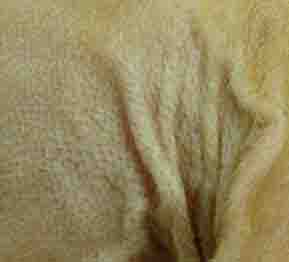
Source: Caroldermoid (1)
Overview
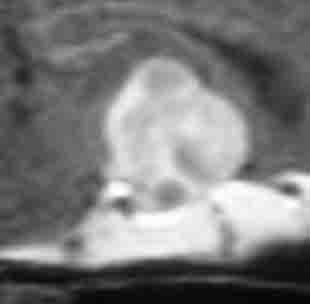
Cushing's disease (hyperadrenocorticism) is a fairly common condition in older dogs, with symptoms often mistaken for part of the natural aging process. The condition is caused by a problem with the pituitary gland, which is located at the base of the brain, or the adrenal glands, which are in front of the kidneys. The of prescription steroids can also trigger the condition.
Over 85% of cases are caused by a problem with the pituitary gland. 90% of these "pituitary dependent" cases are caused by a tumor on the pituitary gland referred to as a adenoma. The pituitary gland produces a hormone ACTH which stimulates the adrenal gland to produce excess cortisol, a naturally-occurring chemical in the body which helps the body respond to stress such as infection or pain as well as the regulation of body functions such as sugar levels, the immune system sand the health of the intestines.
Adrenal gland problems are referred to as "adrenal-dependent"
Cushing's syndrome. The cause is a tumor on one of the adrenal glands.
When one gland is affected it decreases the normal function of the
other gland referred to as gland atrophy.
Last Cushing's disease in dogs can be caused by a medical treatment that involves steroids, referred to as Iatrogenic HAC.
Breeds and Dog Cushing's Disease
The following dog breeds have a higher incidence of Cushings Syndrome:
- Beagles
- Boston Terriers
- Yorkies
- Small Dachshunds
- Poodles
- German Shepherds*
- Large Poodles*
- Dachshunds*
*predisposed to adrenal gland dependent Cushing's
Dog Cushing's Symptoms
The excess production of cortisol causes a number of symptoms which are described below. Symptoms of untreated Cushing's disease in a dog includes:
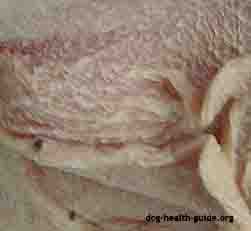 Dog Cushings Skin Symptoms (Cutaneous Atrophy)
Source: Caroldermoid/Wikimedia
- Increased water drinking/thirst
- Urinary
-- "Accidents" in a housebroken pet
-- Increased frequency of urination
-- Urinary tract infections - Increased appetite
- Weight gain
- Fatty deposits in the hindquarter (called "Cush Tush")
- Bloated or "pot-bellied" appearance
- Muscle weakness
- New reluctance to jump up on furniture or people
- Excessive panting
- Hair
-- Thinning hair or baldness
-- Dull, dry coat, hair loss - Delayed wound healing
- Diabetes
- Dog Cushing's Skin Problems:
-- Skin infections
-- Flaky skin
-- Change in skin color
-- Calcium deposits under skin (calcinosis) - Enlarged liver
- Behavioral change, mood change
- Neurological problems
-- Vision issues
-- Seizures
Diagnosis of Hyperadrenocorticism in Dogs
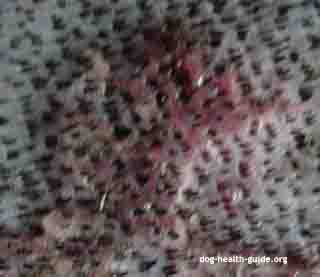 Skin Symptom Calcinosis on a Dog Cushing's Patient
Source: Caroldermoid
There is no test for Cushing's disease in dog. It can be a difficult condition to diagnose. If your dog has several of the symptoms above, your vet should consider Cushing's disease as a possible diagnosis.
Your vet will do some blood tests to check for diabetes and for signs of infection and your dog's urine to check cortisol levels. Cortisol levels will be tested, followed by an injection of ACTH (stimulates cortisol production in the pituitary) followed by a retesting of cortisol.
Other tests include X-Rays, ultrasound, CT scans or MRIs to check for tumors.
In the near future it is expected that a test that measures cortisol levels in dog hair will confirm a Cushing's diagnosis.
Diseases with Symptoms Similar to Cushings
There are several diseases that have to be ruled out before a Cushings diagnosis is reached. These include:
Treatment
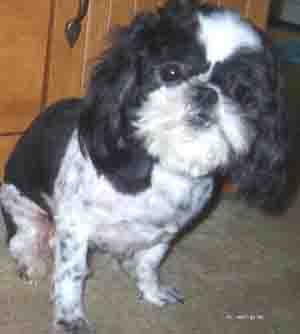 Dog Being Treated For Cushings
Source: IrishLincoln/Wikipedia
Treatment of Cushing's disease in dogs depends on the type of Cushing's disease, i.e. whether the tumor is situated on the pituitary gland or on one of the adrenal glands. The goal is to address any symptoms and enable the dog to live a high quality of life.
Adrenal gland tumor
Surgery is the preferred treatment method for adrenal dependent Cushing's disease in dogs. If the tumor is benign (non-cancerous), this may be a good choice of treatment. However, since one symptom of Cushing's disease is poor wound healing and since most dogs with the condition are elderly, many owners opt against surgery.
If the tumor is malignant (cancerous) it often has spread to other organs by the time the Cushing's disease has been diagnosed. In this case, surgically removing the tumor is not useful.
The prognosis is positive for dogs that make it through a 2 week recovery period. Dogs might require life long cortisone supplements.
Pituitary tumors
Dog Pituitary tumors are not removed surgically because removing them is too risky and they are very small and do not usually grow any larger. Instead, treatment focuses on managing the symptoms of the condition. Radiation can be used to shrink the tumors further, but this is quite costly and most dog owners opt against it.
There are medications available to treat Cushing's disease. Lysodren damages the adrenal glands so that they cannot produce excess cortisol. Of course, this can have serious side effects if the adrenals are damaged too much, because the body requires a certain amount of cortisol in order to survive. This medication has largely been replaced by Trilostane (Vetoryl).
There are other medicines that are less effective but safer. For instance, Ketaconazole works by suppressing hormone production. Anipryl works by balancing and stabilizing brain chemicals.
In the case of many elderly dogs, owners opt to forgo treatment and focus instead on keeping their pet comfortable by just treating symptoms of the condition.
Iatrogienic HAC
Dog Cushing's disease caused by steroids is treated by stopping the treatment. Any symptoms will disappear over time. Dogs usually live for 3 years after the diagnosis since the condition often occurs in older dogs.
Natural Supplements
While natural supplements can't cure Cushing's, some herbs will safely and effectively support your pet's general health and contribute to a reduction in the severity of the symptoms of Cushings disease in dog.
Look for supplements such as Cushex for Cushing's Disease which contain a blend of herbal and homeopathic ingredients designed to treat Cushing's in dogs. Each herbal ingredient of this natural remedy has a specific role to play in normalizing adrenal function, balancing corticosteroid levels or reducing the troublesome symptoms of this condition such as digestive function, excessive urination and thirst. You should see improvement from herbal remedies in 3 to 6 weeks.
Dog Cushing's Disease Prognosis
Cushing's is not curable, but it can be controlled. Dog's that are treated for Cushing's will live a better quality of life with improvement in related symptoms such as panting, strength, susceptibility to skin infections urination and thirst. Most dogs do well with prescribed medications despite the concern for side effects. Sometimes correcting Cushing's in a dog will reveal another underlying condition that was masked by the high cortisol levels such as arthritis.
Dog that react well to surgery or medications can live for many years with the condition.
Ask A Question or Share Your Story
Have A Question About Canine Cushings Disease or Have a Story to Share?
Do you have a question about Cushings Disease in Dog or a story that will help others? Our Veterinarian will answer your questions.
Please include important details such as the breed, age, sex, medical history (medications, special diet), symptoms and any changes in your dog's health or behavior.
We will do our best to get back to you quickly (depends on how many questions we receive each day). If you do require an immediate response we suggest using this online dog veterinary service that is available now.
What Other Visitors Have Asked and Vet Responses
Click below to see contributions from other visitors to this page...
Dog Just Diagnosed with Cushings Disease, What to do ? 
My Cairn Terrier Callie Girl is 12, The Vet says she is developing Canine Cushings Disease, She only shows higher enzyme levels at this point, What can …
Canine Cushings Treatment Side Effects
My dog is 10 years old and weighed 6.5kg (14 pounds) when I discovered 1 year ago that he has canine cushing's disease. For treatment, he was taking 'Vetoryl' …
Dog Dry Mouth
My female dog is 14 and has canine cushings. I have not gone with regular treatments because of her age and the side effects. She is given raw meats …
Canine Cushings and Dog Bladder Problems
My 11 year old terrier has recently been diagnosed with Cushings. She's been on treatment for 2 weeks now. Shes suddenly lost her bladder control. I'm …
Quality of Life Improvement with Cushing's Disease Not rated yet
I adopted a dog from a reputable pet rescue. I was told she was a year old. My vet suspects she is closer to 10. I think she has cushing's. She is very …
Trilostane Medication for Cushing's Disease Not rated yet
My vet gave my dog this medicine, trilostine, as a cure...8 units, right off the bat....my dog lost weight and got worse...Perhaps too much too soon???!!!..Maxxwell …
More Information
Dog
Cushings Disease (PDF Download)
References for Cushing's Disease in Dogs
Cushing's Disease and
Other Adrenal Gland Disorders
DVM360
Canine Cushing's Disease
Connick, Kate
Diagnosis and Treatment of Hyperadrenocorticism in the Dog
Neiger, Reto
Dog Watch
Cornell University College of Veterinary Medicine


