Table of Contents
Overview | Types | Causes | Symptoms | Diagnosis | Treatment | Ask Our Vet A Question For Free
Summary:
"A diagnosis of Addison's disease in dogs (called hypoadrenocorticism) occurs when the adrenal glands are not functioning properly. They aren't producing enough corticosteroids or mineralcorticoids.
These glands, located near the kidneys, have a role in regulating the way a dog's body controls levels of water, sugar and salt. When your dog is under stress is when signs of Addison's Disease often occurs. This is because the adrenal glands produce the hormone cortisol when stressed. Under production of cortisol results in canine addison's symptoms such as dehydration, a change in heart rate (slow, irregular), weakness and signs of depression.
In the short term treatment focuses on bringing the body back into balance with the use of intravenous fluids and medications which replace missing cortisol. Longer term, pills are administered daily or with a monthly injection, which can help a dog with Addison's live a healthy life. Natural remedies can be used as a supportive therapy to help the body regulate itself. This condition is the opposite of the more common Cushing's Disease, where too much cortisol is produced.
When visiting a veterinarian always mention that your dog has Addison's disease. Hormone replacement therapy will be needed for the rest of your dog's life. The prognosis is good to excellent after stabilization and treatment."
Overview
If you are in the Veterinarian’s office and the diagnosis is the endocrine disorder Canine Addison's disease. Don’t panic. Although serious, this disease can be treated and your dog can return to normal activity.
The disease is caused by deficient production of glucocorticoids (cortisol) or mineralcorticoids (aldosterone) or both. Secondary disease is caused by chronic administration of corticosteroids.
Peke-a-Poo age 2-1/2 with Addison's.
Symptoms included appetite loss and lack of energy. Originally diagnosed with Hypoglycemia, but only showed a mild response to therapy.
After being treated with medications for Addison's, patient showed
dramatic improvement including energy levels and appetite.
What is Addison's Disease in Dogs?
Canine Addison's disease (hypoadrenocorticism) occurs when a dog's adrenal glands (each kidney has one gland) stops producing the hormones necessary to regulate sodium in the blood (cortisol and aldesterone). The problem is that the deficiency of aldesterone (Mineralocorticoid) results in the inability to retain sodium and excrete potassium (unable to lower potassium levels). Higher levels of potassium stop the heart from beating faster, which it would naturally do, such as when there is a loss of blood pressure. With a lower heart rate and lower blood pressure your dog could go into shock (called Addison’s crisis). This could be fatal.
Lower levels of sodium in the bloodstream contributes to problems such as:
- hypotension (low blood pressure)
- weakness
- dehydration
- depression
- prerenal azotemia (kidney failure)
This disease is the opposite of the more common dog adrenal gland problem Canine Cushings disease where too much cortisol is produced.
Dog Ages and Breeds Susceptible to Addison's
Addison's disease is most common in young to middle-aged female dogs (between age 1 and 12, mean age is 4). Breeds with an above average incidence of disease are:
- Standard Poodles
- West Highland White Terriers
- Wheaten terriers
- Great Danes
- Rottweilers
- Portuguese Water Dogs
- Leonbergers
- Bearded Collies
The most common type of dog with the disease are mixed breeds.
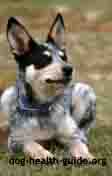
6 year old SF Blue Heeler breed.
Suffered acute renal failure (kidney disease) before being diagnosed.
Medical conditions such as Azotemia (urea in the blood) caused injury
to the kidney's.
If kidneys are not damaged, condition responds to fluid therapy.
Systems Affected by Addison's In Dogs
Several systems are affected by Addison's disease in dogs:
- Cardio
- Gastrointestinal/Digestive
- Musculoskeletal
- Urologic/Renal
- Skin
Types of Addison's Disease in Dogs
There are three kinds of Canine Addison’s disease called primary, secondary and atypical.
- Primary: When the adrenal glands fail to produce both mineralcorteriods and glucococosteriods. Requires the replacement therapy of mineralocortioids.
- Secondary: When the pituitary gland does not secrete ACTH, a hormone necessary to stimulate the adrenal glands. Requires replacement therapy of glucocorticoids.
- Atypical: When there is immune system related damage to
the adrenal glands. Without treatment can become primary Addison's.
Requires replacement therapy of glucocorticoids.

Poodle with symptoms such as vomiting, weight loss and drinking excessive water.
Diagnosed with hypercalcemia (high levels of calcium in the blood, a condition seen in 1/3 of dogs with Addison's. Dogs treated with glucocorticoid therapy respond well.
Causes of Hypoadrenocorticism
Addison’s can be caused by diseases that affect the functioning of the adrenal gland. This includes toxic drugs, infections and tumors. Sometimes if steroids are used to treat another illness, it can cause the adrenal gland to temporarily stop functioning, inducing Addison's disease.
Addison's Symptoms in Dogs
Symptoms of Addison's disease in dogs can range from mild to severe. The number of organs involved and the severity of symptoms vary from patient to patient.
Common Symptoms:
- Weakness
- Lethargy
- Vomiting and Diarrhea
- Dehydration
- Bradycardia (slow heartbeat)
Other Symptoms:
- Reduced appetite
- Tremors
- Shaking
- Muscle Weakness
- Pain in the hind quarters
Symptoms such as shivering, sharking or the dog appearing to be cold are less common.
If your dog collapses for no apparent reason, Addison's disease is one of the prime considerations.
In severe cases, dogs can have irregular heartbeats and can go into shock.
The veterinarian will observe symptoms such as dehydration, a slow heart rate, weak pulse, pain in the abdomen and hair loss.
Gastrointestinal and renal symptoms are similar to other diseases that need to be ruled out before an Addison's diagnosis can be confirmed.
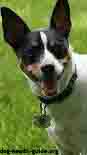
Rat Terrier dog diagnosed with Addison's after symptoms such as diarrhea and vomiting. Initial treatment for gastrointestinal disease resulted in diarrhea with strong smell. X-rays showed no obstruction in abdomen.
Treatment for Addison's resulted in improvement including resolution for diarrhea and improvement in appetite after 2 days.
Diagnostic Tests
A veterinarian will diagnose Addison's Disease based on the dog's medical history, a clinical examination of any symptoms and laboratory tests. For example, it is common for Addison's patients to have an on-again, off-again history of gastrointestinal problems.
Your Veterinarian will do a heart EKG to see if the heart has slowed down or if your dog’s natural pace maker isn’t working. As indicated above, if blood tests show lower sodium levels and higher potassium levels, there is a high likelihood of Addison's. Your Vet may also administer a ACTH test (measures adrenal gland function).
Diagnosing canine Addison's disease can be tricky, since the symptoms are rather vague and can be symptoms of so many other illnesses. It is also an uncommon ailment in dogs. When your dog doesn't respond to other treatments, however, your vet will do some blood tests and will notice abnormal sodium and potassium levels in the blood.
Addison's disease can sometimes look like kidney disease, liver or heart disease. Even the blood work can look like kidney disease. So when Addison's disease is suspected, an ACTH response test will be done. The administration of this hormone should stimulate the production of adrenal hormones. If it doesn't, then Addison's disease is present.
The disease can also be triggered by corticosteroids that may have been administered to treat a different disease. Since this substance is made by the adrenal glands, the glands stop producing more.
Approximately 20% - 25% of dogs with Addison's are hypoglycemic.
Treatment for Canine Addison's Disease
If a dog is drinking and eating, and if electrolyte levels are normal, then only replacement oral glucocorticoids are needed.(1) Dogs that need to be treated usually get Sodium chloride .9% administered via an intravenous line. It is infused for a 24 hour period.
If the dog is showing signs of hyponatremia (low blood sodium levels) or hyperkalemia (high blood potassium levels) then mineralcorticoid hormone supplementation is needed.
Sudden onset of Addison's disease in dogs, referred to as a Addisonian crisis, is considered a medical emergency. The veterinarian will treat the patient with rapid acting drugs such as prednisolone sodium succinate. The goal is to stabilize the patient.
There are several drugs available to help replace the missing hormones from your dog's body. Examples include Percorten V produced by Novartis and Florinef. Percorten replaces the Aldosterone that the adrenal glands do not make. It is an injection given approximately every 28 days. It is given in combination with Prednisone, a steroid that is given to dogs with Addison's to replace the cortisol that they are not producing.
Treatment for Addision's disease costs approximately $30 per month (U.S.$, $37/month Canadian).
Dogs respond well to treatment, with a response to therapy in 24-48 hours. You will need to pay close attention to your dog. If you notice changes in his appetite or any vomiting or diarrhea or other signs of illness, let your vet know right away. With proper care and monitoring, the prognosis for dogs with Addison's disease is good.
A dog might require hormonal replacement therapy for life.
Diet for Dogs With Addison's
When your Addison's disease dog has health problems it is a good idea in general to examine their diet to ensure they are getting the vitamins and nutrition they need. In most cases dietary change is not necessary and there is no need to formulate a special Addison disease dog diet.
Initially it may be difficult to get a dog with Addison's disease to eat. To get them to eat tempt them with their favorites that have lower levels of fat. Consider options such as rice, scrambled eggs, skinless chicken breast or lean meats.
As your dog's medications start to work, he or she will feel better and an appetite will be restored. Start slow and do not rush the process.
As your dog's appetite improves, go ahead and reintroduce the regular diet. Note you might want to purchase a new dog bowl since the old one might be associated with the feeling of being ill.
All dog owners should only purchase dog food that has been certified by The Association of American Feed Control Officials (AAFCO). The AAFCO is the organization that sets commercial standards for dog food in the United States. Only buy dog food that has the following statement on the bag: “Animal Feeding Tests using AAFCO procedures substantiate that (name of brand) provides complete and balanced nutrition for the growth of dogs”.
If the AAFCO statement is on the bag, the nutritional balance is probably somewhat similar from brand to brand. The key to the statement is “animal feeding tests” which means that the food was tested on dogs over several months and is a commitment to high standards.
For cases of formulating an Addison disease dog diet, you may want to go beyond the AAFCO standard. This is because AAFCO foods can contain meat by products such as lungs, spleen and kidneys. Not what I want to feed my dog.
If you want to avoid “meat-by-products” you can look for labels that state the ingredients are human grade.
Use of Herbs and Natural Remedies for Canine Addison’s Disease
Herbal products are never considered to be a specific treatment, such as a replacement for a prescription medications that provide a cure. They are supportive, in that they contain ingredients that naturally strengthen the body's own defense or help to restore normal function. This can reduce the severity of symptoms and help to protect a dog against the worsening of a disease. One supplement to consider that is made specifically for Addison's is the dog supplement PetAlive Cushex. Be sure to discuss this and other herbal remedies you might find with your veterinarian.
A rule of thumb for determining the right dose is to take your dogs weight and divide it by 150 (called Clarke’s rule). Multiply this percentage by the adult dose of the herb. Herbs can be mixed into dog food or can be turned into a tea for your dog to drink. Always use the manufacturers directions as the best source of information.
Many of the following herbs are helpful in Dogs with Addision's disease. Many are are found in Cushex or can be purchased individually:
- Licorice: This herb interacts and prolongs the effectiveness of corticosterods, the very substance Addison's disease dog need. It has an ACTH-like action on the adrenal cortex, increasing the production of glucose and mineralocorticoids
- Milk Thistle: Supports the immune system as an antioxidant.
- Slippery Elm: Used as a natural treatment for diarrhea
- Ginger: Thought to strengthen steroid production
- Garlic: Helps strengthen the heart and reduces blood pressure
- Valerian: Beneficial effect on the heart and blood pressure
- Taraxacum officinale (Dandelion): Helps the liver, kidneys and adrenal glands. Promotes adrenal function.
- Arctium laps (Burdock): Detoxifies tissues
- Astragalus membranaceous (Huang Qi): Helps to restore balance to the adrenal glands.
- Arsenicum (30C): Helps with normal urination and thirst levels.
The good new is that with treatment for Addison's disease your dog will live a long and healthy life.
Ask Your Question About Addison's
Have a Question for our Veterinaran about Canine Addisons Disease?
Do you have a question for our Veterinarian about Dog Addison's Disease? Share it! Our Veterinarian selects several questions a week to answer for free. Just provide your dog's breed, age, sex and medical history.
We will do our best to get back to you quickly (it depends on how many questions we receive each day).
If you do require an immediate response we suggest using this online dog veterinary service that is available now.
Questions From Our Visitors and Answers From Our Veterinarian
Click below to see contributions from other visitors to this page...
Canine Cushings Disease Causing Addisons Disease in Dog 
My pitbull age 14 was diagnosed with canine cushings disease 6 months ago,and was doing great on his medicine until 2 weeks ago when he started vomiting …
My dog came down with Addison's immediately after she got her yearly shots which this year included a 3-yr. rabies shot
My dog Sadie, a purebred Skye Terrier, 5 1/2 yrs. old was diagnosed with Addison's immediately after she got her yearly shots which included a 3-yr rabies …
Dog With Addisons Suffering From Middle of the Night Distress
Reader Question on Night Distress in Dog
Our 7 year old standard poodle with Addison's disease (diagnosed at 3 years old) has woken us up twice in …
Tip for Lowering the Cost of Dog Addisons Treatment
My son's dog was recently diagnosed with Primary Addison's. 2 year old Basset Hound, male. Lovely dog. In doing research on treatment I have found the …
Dog Addisons Hair Loss
He had been diagnosed for Addisons in crisis. My dog was immediately given treatment and prednisone for one month.
He has been off prednisone for …
Connection Between Itchy Skin and Addison Disease In Dogs
Reader Question: Dog Canine Addison's Disease Cause Itching? Thoughts from our Veterinarian on Addison's Disease and Itchy Dog Skin
Hello Claudia, …
Can Addison's Medications Make a Dog Grumpy? Not rated yet
Reader Question: Can Addison's Medications Cause A Grumpy Dog?
Remy was diagnosed at 5 years of age . He had a full blown crisis and was hospitalized …
Cloe’s Near Death Experience with Canine Addition’s Shock Not rated yet
My 6-year-oldAiredale went into Addison's Shock and when I rushed her to the vet, her heart rate was 40. This came upon her very suddenly, and within 48 …
Will a Homemade Diet Help a Dog with Addison/'s Disease Not rated yet
Our dog Tootsie initially had Cushing's disease but was overmedicated, leading to Addison's disease. She keeps gaining weight despite being on 4 .01 mg …
Dry Skin Condition Not rated yet
My dog Tanner has been diagnosed with Addisons Disease he is on medication which cost me over One hundred dollars a month. Our dog is part of our family …
Brochure
This brochure provides an excellent review of Addison's Disease in Dogs.
This brochure provides some guidance for how some short term addison's dog diet modifications until your dog starts to eat.
References for Canine Addison's Disease
(1) The atypical Addison's Dog; Schaer, Michael DVM; University of Florida College of Veterinary Medicine
(2) American College of Veterinary Medicine
(3) Addison's Disease- Is It Always Acute?
Mooney, Carmel T.
(4) Care: Canine Addison's Resources and Education.
(5) Addison's Disease, "The Great Pretender"; ETVMA, Bount, Wendy, DVM
(6) Brevitz, Betsy D.V.M – Hound Health Handbook
(7) Griffin, James M. – Dog Owners Home Veterinary Handbook
(8) Washington State University


