Summary:
"Dog pancreatitis (canine acute pancreatitis or AP) is a fairly common disease associated with obesity and high fat diets in middle age dogs, although the exact cause of the condition is unclear, but are thought to be medications, trauma, infection, medications or malnutrition. The pancreas becomes inflamed and releases enzymes that cause the body to attack its own pancreatic tissue. The result is inflammation and multiple symptoms which are frequently associated with life-threatening systemic complications. Treatment tends to be supportive and includes dietary change and fluids.
Pancreatitis is often misdiagnosed, particularly when in a mild form due to the lack of clear clinical sign and diagnostic tests that can aid a specific diagnosis."
Overview
How the disease works
Pancreatitis is an inflammation of the pancreas. The pancreas is an
organ that does two things. First, it helps the body metabolize sugar
by producing insulin. Second, it is necessary for the digestion of
nutrients by its production of pancreatic enzymes. It lies in the
abdomen and has a right and left lobe along with a small central body.
The right lobe is in close proximity to the descending duodenum and
contains most of the polypeptide-producing cells. the left lobe
is between the curvature of the stomach and the transverse colon.
Each lobes has cells that synthesize digestive enzymes. The organ has
two ducts that transport secretions from the pancreas to the descending
duodenum.
The primary purpose of the pancreas is to produce digestive enzymes that help to degrade different components of food such as proteins and lipids. Enzymes also neutralize acid that is produced in the stomach. It is believed that when the pancreas is not functioning properly, digestive enzymes, which travel from the pancreas in an inactive form (called zymogens) in order to protect the pancreas and the connected duodenum. In dog pancreatitis, it is thought that these zymogens are prematurely activated, causing inflammation in the pancreas.
Characterization
The disease is characterized as being mild, moderate or severe. It is also classified as being non-fatal or fatal. It primarily occurs in dogs the are middle aged or older.
Breeds at highest risk
- Miniature schnauzers
- Yorkshire terriers
- Skye terriers
Causes
Canine Pancreatitis can be caused by many things, including certain medications, infections, metabolic disorders, trauma and shock. Middle-aged dogs are more likely to be diagnosed with the condition than younger dogs. Dogs who are fed diets high in fat or those who are fed greasy "people food" are at high risk for the condition.
Acute pancreatitis is a sudden onset of the condition. Some dogs have only one episode of pancreatitis, while others have ongoing problems with the disease.
Schnauzers and Yorkshire Terriers are more susceptible to pancreatitis than other breeds.
Triggers/Causes
There are several triggers that are thought to cause
pancreatitis. These include:
- Diet: It is believed that a low-protein, high-fat diet can trigger pancreatitis.
- Medications: Several drugs are suspected of triggering
pancreatitis in dogs. These include:
-- azathioprine
-- chlorthiazides
-- diuretics
-- furosemide
-- L-asparaginase
-- oestrogens
-- organophosphates
-- potassium bromide
-- tetracycline
-- thiazide - Duodenal fluid reflux: vomiting could act as a trigger
- Hypercalcaemia: this is uncommon
- Infection: canine babesiosis can cause pancreatitis
- Pancreatic trauma: some surgical procedures could result in injury to the pancreas
Symptoms
Pancreatitis canine symptoms include a very painful abdomen with abdominal distension and a "hunched up" appearance. Other symptoms are:
- lack of appetite,
- vomiting
- diarrhea (yellow, greasy stool)
- depression
- fever
- dehydration.
- assuming a "praying" position that results from abdominal pain
In severe cases, symptoms may also include heart arrhythmias (irregular heartbeats), sepsis (body-wide infection), and difficulty breathing. If your dog has symptoms of pancreatitis, he should see a vet right away. It will be obvious that he is ill and in need of treatment.
Diagnosis
Your vet will take a thorough history and do a physical examination
of your dog. He or she will also do some blood work (CBC), a serum
biochemistry profile, urinalysis and diagnostic imaging (ultrasound, CT
scan).
If your dog has pancreatitis, blood levels of the pancreatic enzymes amylase and lipase will be elevated. If the liver is also inflamed, which is sometimes the case with pancreatitis, liver enzymes in the blood will also be elevated. Your vet will also do an ultrasound to look at your dog's pancreas.
Diseases with similar symptoms that have to be ruled out before a
reaching a diagnosis of pancreatitis include:
- acute prostatitis
- ruptured abdominal organs
- pyometra
- acute hepatitis
- acute hepatic failure
- acute renal failure
- peritonitis
- intestinal obstruction (due to foreign bodies or intussusception where one part of the intestines slides into the other)
- inflammatory bowel disease
- acute enteritis or gastroenteritis
- parvo virus
Other diseases can be complications of acute pancreatitis. These
include:
- bial duct obstruction
- diabetes mellitus
- diabetic ketoacidosis
- intestinal obstruction
- renal failure
- pulmonary oedema
Canine Pancreatitis Treatment
The treatment for acute dog pancreatitis begins with fluid therapy. Dehydration and electrolyte imbalances are common, so fluids are given by IV or subcutaneously (under the skin). Medication may be given to stop vomiting and diarrhea.
Treatment priorities are:
- Eliminate the cause of the condition if it is known
- Restoration of fluid and electrolyte balance
- Pain relief
- Complications management
- Long term monitoring
Antibiotics are usually given to prevent a bacterial infection from
setting in. Pain medication is also given. If identified, the
cause of the condition is removed.
Oral food and fluids are restricted for a few days (24 to 48 hours) so the digestive system and therefore the pancreas can rest. After a few days, small amounts of water and a bland diet are offered, a little at a time. Food and water intake can be increased as tolerated.
Dogs who have repeated episodes of pancreatitis need to be fed low-fat diets made for dogs with pancreatitis such as Iams Veterinary Formula Intestinal Dry Dog Food. Chronic pancreatitis can lead to diabetes or to pancreatic insufficiency, which is a condition in which the nutrients in food are passed out of the body in the feces undigested. Pets with this disease need to have their diets supplemented with pancreatic enzymes.
Dog Pancreatitis Recovery and Prognosis
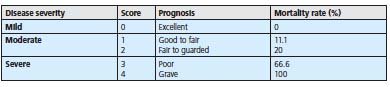
The prognosis for mild forms of pancreatitis in dogs is good, whereas severe cases are guarded. Diagnosis of the disease early and having no systemic complications lead to an improved result.
Dietary Supplements for Pancreatic Health
Herbal and homeopathic remedies have a history of successful use in promoting liver, gallbladder, and pancreatic health and functioning. They can be used alone or as a supplement to a conventional treatment strategy, depending on the diagnosis and the recommendations of your holistic veterinarian. There are two supplements available, that could help, with the first targeting the pancreas and the second the liver. Both can be used together to maximize the level of support provided.
For the pancreas, Pancreas Booster contains ingredients that focus on enzymes, one of the byproducts of pancreas function. This product contains ingredients such as Bromelain (pineapple extract that helps with protein digestion), Papain (helps to break down meat fibers) and Gymnema (to moderate blood sugar levels).
Another supplement available is PetAlive Liver-Aid Formula which naturally eliminates toxins.
A few of the ingredients to look for in a liver supplement include:
- Carduus marianus (Milk thistle) - antioxidant
- Arctium lappa (Burdock) - blood purifier
- Natrium sulphate (D6) - promotes pancreatic health
Check with your veterinarian regarding any base or homeopathic
supportive treatment options for pancreatitis.
Brochure
Ask Our Vet A Question And We Will Answer It For Free
Have a Dog Pancreas related Question For Our Editors or A Story to Tell About This Topic?
Do you have a dog pancreas related question for our veterinarian? We will answer it for free! Please include information such as age, sex, breed, medical history, symptoms, diet, changes in behavior and medications.
We will do our best to get back to you quickly (depends on how many questions we receive each day). If you do require an immediate response we suggest using this online dog veterinary service that is available now.
Sources
Pancreatitis
Nash, Holly DVM
Pancreatitis in Dogs and Cats
Hines, Ron DVM


