Table of Contents
Overview | Symptoms | Diagnosis | Diet & Treatment | Vet Q&A
Summary:
"Diabetes Mellitus in dogs is similar to
diabetes in humans where the body does not produce enough insulin to
regulate sugar. The disease is classified as type I or type II. Most dogs have type I diabetes in which the patient cannot naturally
produce insulin and thereby requires insulin treatment. There are
several causes of type I diabetes including pregnancy, pancreatitis and
possibly an immune-medicated problem. Most dogs are diagnosed at 8
years of age or older with all females at a higher risk than males.
The disease can create symptoms that affect
the urinary system, trigger kidney infections and cause bacterial
infections that are usually located in the urinary tract. The
disease can also cause cataracts as the result of a condition called
chronic hyperglycemia.
While there is no cure, the disease is treatable with prescription medications, changes in diet and may be helped by natural supplements. If your dog receives insulin treatments, do not make any dietary changes since diet and insulin levels need to be monitored and coordinated."
Overview
Diabetes mellitus in dogs is a disease in which the body does not produce enough insulin (the hormone that controls how the body and cells absorb and use sugar). The disease occurs in between .13% and .64% of dogs. Some breeds have higher risk factors including:
- Samoyeds
- Australian Terriers
- Keeshonds
When the body does not produce enough insulin, the body is deprived of energy causing it to look for other sources such as the fat stored in the body. Since absorption and the break down of these fats isn't that efficient, acid and fat levels increase in the blood causing a condition called canine ketoacidosis. This break down of fats causes the weight loss associated with the condition. Since the body is craving nutrition, appetite increases. Glucose or sugar in the blood spills into the urine triggering a thirst response and the need for more urination.
Untreated, diabetes can cause life-threatening complications such as:
- Long-term weight loss
- Hepatic lipidosis (fatty liver)
- Ketoacidosis (caused by uncontrolled diabetes where the body isn't correctly breaking down proteins and fats. The blood compounds are called ketones)
- Cataracts
- Bacterial urinary tract infections
It is important to provide the proper care for dogs and pets. With treatment, dogs can lead normal, happy lives.
Cataracts Risk
Approximately 75% to 80% of dogs with diabetes will develop cataracts within 3 to 5 years of the diagnosis. This occurs even in dogs that have well-controlled diabetes. It is imperative that the cataracts get corrected as quickly as possible. Cataracts cannot be stopped from forming.
Dog diabetic cataracts are the result of high blood sugar. The sugar in the dog's lens is converted to sorbitol, which in turn draws water from the lens. This results in lens swelling which causes a disruption of lens fibers and oxidative stress. this causes the cataracts to form.
Cataracts form quickly and result in severe lens-induced uveitis, which can also trigger glaucoma (pressure in the eye). Glaucoma is hard to manage in diabetic patients and may result in a dog needing eye removal.
There is a medication up for FDA approval (this is written in December 2021) called Kinostat that disrupts the enzyme that results in the glucose to sorbitol conversion. Dogs that participated in the clinical trial saw a 85% reduction in the formation of cataracts as compared to dogs that received a placebo.
Signs and Symptoms
Symptoms of diabetes mellitus in dog include:
- Excessive thirst (your dog
will drink more water than usual)
- Increased need to urinate (your housebroken dog may begin to have accidents in the house)
- Weight loss
Other symptoms in more severe cases can include anorexia, lethargy, vomiting, and diarrhea. Blinding can occur in dogs starting to experience the formation of cataracts.
See our complete guide to signs of diabetes in dog.
Diagnosis of Diabetes Mellitus in Dogs
There are no physical signs in healthy dogs. Patients can be
overweight while others can be thin.
Your vet will do a blood test to check your dog's blood sugar and will also test his urine. Your vet may want to do these tests when your dog has been fasting (not eating) for 12 hours or so. The vet will also look for signs of dehydration and electrolyte problems.
He or she will also look for signs of advanced stages of the disease, a condition called canine ketoacidosis. Typical symptoms include the abdominal pain, vomiting and diarrhea.
Some diseases have similar symptoms and need to be ruled out when diagnosing diabetes in dogs. These include:
- Hyperadrenocorticism
- Chronic kidney disease
- Pheochromocytoma (adrenal gland tumor)
- Pancreatitis
Treatment Strategies
In healthy dogs, treatment can be managed as an outpatient, such as cases where ketonuria is found in the blood (improperly digested nutrients). For cases of chronic KDA (diabetic keoacidosis) in patient treatment is required.
There is no cure for diabetes in dogs. Treatment for type I diabetes involves daily insulin injections. While there are some oral medications to treat diabetes in humans, there are no oral medications for diabetes in dogs. If a dog is chronically ill, then a short-acting insulin is used to reduce the risk of hypoglycemia (low levels of glucose in the blood). Once the dog is stabilized, longer lasting insulin is used.

Your vet will show you how to give your dog insulin injections and tell you when to give them. Give him his medication at the same time every day. It may or may not be necessary for you to check your dog's blood glucose levels at home (called BGC's). If it is necessary, your vet will show you how to do it as well.
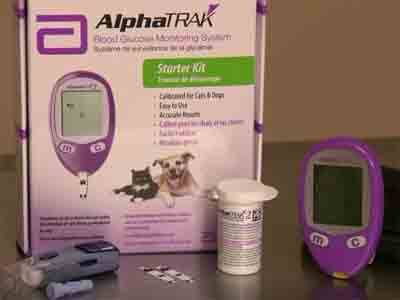
Patients will be monitored every 12 hours for insulin levels until the patient is stable. A veterinarian may also take measurements of Fructosamine in 2 to 3 weeks.
Feed your dog at the same time every day. He should eat the same amount of food each day, as well. It is generally recommended that you feed your dog twice a day to keep his blood sugar levels even. Feed him a commercial dog food and do not give him table scraps. If your dog is overweight it will be harder to control his blood sugar levels, so talk to your vet about how to help him lose weight if needed.
Your dog needs regular exercise and it will be important for him to get about the same amount of exercise each day because the amount of exercise he gets affects the amount of insulin his body requires. That means if he exercises a lot one day and not at all another day, he will need different amounts of insulin. Unless you are monitoring his blood glucose level and adjusting his insulin dose accordingly, this could spell trouble for your dog.
For instructions that you can refer to (use only as a guide, we assume no liability for use of these instructions - only rely on the advice of your veterinarian) click here for a guide to using a diabetes dog needle.
Dog Diabetes Diet
The goal of any diet is to reduce any changes in blood glucose levels after eating. Most research supports the use of a fiber-rich diet of the patient is overweight or if the diabetes is challenging to control with medications. While diet can help to achieve some level of glycemic control, it is not recommended as the sole treatment approach. Dogs are always insulin-dependent when treated.(1)
Goals are to achieve the right balance of:
- high-fiber
- low-fat
- low-carbohydrate
Diets are usually not changed during the process where a veterinarian
is working to stabilize the patient. Diets should also be
attractive to the dog to encourage eating.
Work with your veterinarian or veterinary nutritionist to find the right diabetes diet for your dog. Diets not only need to be nutritionally smart, but also that get your dog to enjoy eating. Also know that diet can impact insulin levels, so consult with your veterinarian when moving to a new diet so that blood glucose levels can be monitored during the change. Shifts in diet can cause the need for increases or decreases in levels of prescribed medications.
Overweight dogs should be brought into normal weight levels since
being overweight creates some insulin resistance.
Natural Medicine for Dogs with Diabetes
There are no recognized alternatives to insulin treatment. That said, there is some evidence that suggests that the use of carefully chosen herbal remedies and dietary supplements can help to both prevent diabetes and to keep it under control in dogs who have already developed it. A good commercial source for more research is PetAlive GlucoEnsure. If you go this route, work with your veterinarian to monitor progress or changes in your dogs condition.
Treatment Cost
A visit to a veterinarian along with required tests can cost from $101 to $500 (US Dollars). The diagnosis of more complicated cases can range from $501 to more than $1000 (US Dollars).
Treatment and follow up care for cases where there are no other
complicating diseases or factors can range from $101 to $500 (US
Dollars). Complicated cases can cost $251 to more than $1000.
Disease Management Goals
There are five goals that need to be achieved when managing diabetes mellitus in dogs:
- Daily Routines, particularly when using pet sitters
Consistent daily routines can help with treatment including:
- administering insulin
- feeding on a schedule and treat avoidance (to have a consistent daily nutrient load)
- daily exercise (to avoid unpredictable effects on insulin requirements) - Optimal Condition and Body Weight
Insulin levels and the providing of insulin is a critical part of maintaining an ideal body weight. Failure to maintain insulin can lead to metabolic acidosis and hyperketonemia. After insulin is started it is normal for a dog to gain weight. - Related Disease Management
Diabetes that is well-controlled can result tin complications and comobidities. Common complications include ocular conditions such as cataracts. Other conditions include diabetic polyneuropathy and other neurologic abnormalities, obesity, chronic pancreatitis and concurrent dndocrinopathes such as hyperadrenocorticism.
Other related diseases are dental disease, gingivitis, enteropathy, dermatopathy, pain and musculoskeletal disorders. - Monitoring
Diabetes management requires lifelong therapy. Consistent monitoring and veterinary visits leads to a better qualify of life for the patient. - Glycemic Control
Insulin is the primary way hyperglycemia in dogs in controlled. No type of insulin has an advantage over others. For home daily use a veterinarian will recommend a long acting (protamine zinc insulin or insulin glargine) or intermediate acting insulin (lente insulin or protamiine Hagedorn insulin). Long acting formulations are provided every 12 hours in dogs.
Prognosis
Dogs that are monitored and treated can do well for years.
Prevention
There are no confirmed ways to prevent diabetes mellitus in dogs. Some
risk factors can be reduced including:
- Lack of exercise
- Obesity
- Hyperadrenocorticism
Ask A Question About Canine Diabetes And We'll Answer It For Free
Have A Dog Diabetes Question For Our Editors?
Do you have a canine diabetes question for our editors or a helpful Story to Share? Please include information such as medical history (describe visits to vet and any diagnosis/test results), age, sex, breed, diet, medications your dog is taking, recent changes in behavior (lethargy, appetite), etc.
Just fill out the form below. There is no charge for this service.
If you do require an immediate response we suggest using this online dog veterinary service that is available 24 hours a day. You decide how much to pay the Vet answering your question and you only pay when satisfied with the answer.
References
(1) Top 5 Goals for Management of Diabetes Mellitus; Thomas Schermerhorn, VMD, DACVIM (SAIM), Kansas State University; ENDOCRINOLOGY & METABOLIC DISEASES|; NOVEMBER/DECEMBER 2021|PEER REVIEWED


