What You Need to Know:
"Canine urinary tract infections are a common problem and are caused by bacteria which enters the body through the urethra in the urinary tract. Fungal infections can also be the cause, particularly if the dog is taking certain medications or is suffering from diabetes. Female dogs are more susceptible to the condition. A dog UTI can trigger symptoms symptoms such as discomfort and complications if it is not treated. In rare cases, bacteria can move from the urinary tract to the kidneys via the ureters.
If you notice your dog drinking and urinating more often than normal, then the cause is probably a UTI. These symptoms are also associated with other conditions such as Cushing's Disease and Kidney problems, however UTI is the most likely cause.
Signs of urinary infections in dogs includes dog blood in urine, straining to urinate, urination in the home, an increase in frequency of urination in smaller amounts. It may go away on its own, but probably needs a little help from antibiotics which will take several days to heal the condition. After the course of antibiotics are completed, a veterinarian will retest the dog to confirm that the infection has been cured. Fungal infections will clear once the "trigger" is treated or related medications are no longer needed. It is possible to have an infection without showing any symptoms, particularly in the early stages of the disease.
If your dog frequently gets infections, you may want to provide some fruit juice in the morning, and provide more opportunities for outdoor urination."
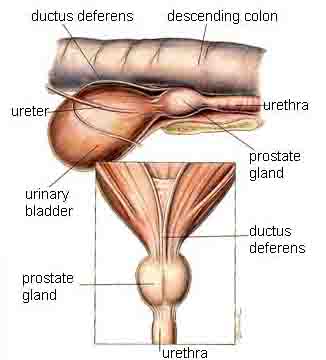
Source: The pictures in this section are reprinted with permission by the copyright owner, Hill's Pet Nutrition, from the Atlas of Veterinary Clinical Anatomy. These illustrations should not be downloaded, printed or copied except for personal, non-commercial use.
Overview
Urinary tract infections occur in 2% to 3% of all dogs. They are usually caused by a bacterial infection that enters the body through the urethra, the tube that carries urine out of the body. If the infection is able to take hold, it colonizes in the urinary tract, eventually making its way to the bladder causing bladder infection.
Infection in the urinary tract causes inflammation which reduces the size of the urethra and makes the tube narrower, making it more difficult to urinate. Since less urine passes through the body, other problems can set in such as urinary or bladder stones. The urine contains crystals which form into stones. As these crystals attach to one another forming stones, additional blockages and urination problems can occur.
The urine itself is nature's way of keeping the urinary tract infection free. If your dog isn't urinating enough, or there are other problems in the body that changed the PH balance or composition of the urine, it reduces the urine's bacteria killing effectiveness. Female dogs are more likely to be infected since there is a wider opening through the urethra, the tube that carries urine from the body.
Canine UTI Symptoms
As indicated above, symptoms of urinary tract infection are usually related to problems with urination due to inflammation of the urinary tract. These include:
- Difficulty Urinating
- Pain when urinating
- Frequent urination
- Urine leaking
- Urination in unacceptable places
- Urine odor
- Licking of the area where your dog urinate
- Blood in urine
A dog UTI can cause discomfort or pain as the bladder fills with urine, which explains the dog's desire to urinate more frequently than normal.
Diagnosis
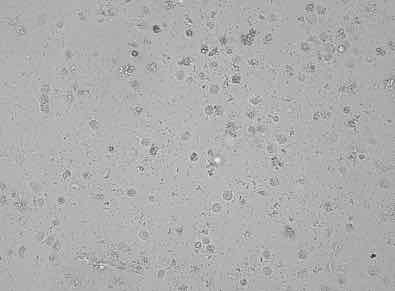
Your veterinarian will do a urinalysis to test the composition and PH and of the urine. Testing will be done to look for the presence of blood in the urine as well as crystals that could form stones. Bacteria levels will be tested as well. This is done by inserting a catheter. If there is bacteria in the sample, then it will grow in the container holding the urine.
The veterinarian will determine if the dog UTI is simple or complicated. A simple UTI has no functional or structural abnormalities. It is the simplest form to treat and will resolve after the use of antibiotics.
Complicated dog UTI's have 1 or more defects in the dog's urinary system. This can include:
- Problems with the dog's anatomy such as abnormal anatomy
- Micturition problems such as neurological issues that are affecting the urination process
- Damage to mucosal barriers
If your veterinarian suspects the formation of stones, she will try to determine the type (struvite or oxalate). Each type has a different treatment protocol. Tests will be repeated after UTI treatment to confirm that the disease has been eliminated.
It can be difficult to determine the exact location of the infection. If it is in the bladder it is referred to as a condition called cystitis (canine bladder infection).
Dog UTI Treatment
Bacterial Infections:
Antibiotics such as amoxicillin are used to treat the bacterial infection for a period of 10 to 14 days. There are different types of antibiotics that are selected based on the sensitivity of the bacteria and the extent of the problem. Your dog should start to feel better within 48 hours. These are highly effective. In rare cases, a stubborn infection takes hold which requires a treatment span of 4 to 6 weeks. Your dog will be tested again after the treatment period to ensure that the infection is gone.
It is possible for a canine urinary tract infection to resolve itself on its own by taking the steps indicated above. However, if you don't see it getting better, visit your veterinarian.
If your dog frequently gets infections, then there are probably other factors at work such as the presence of a urinary stone. There may also be a structural issue with the way the ureters (tube that carries urine from the kidney to the bladder) or a problem with the place in the bladder where the umbilical cord was connect. If the point of connection didn't heal right, it could create a place for bacteria to congregate.
Your veterinarian will also look for signs of kidney disease. This is usually accompanied by additional symptoms such as fever and and canine blood in the urine. She will also look for illnesses that make lower your dog's resistance to infection such as Cushing's Disease and Diabetes Mellitus.
Fungal Infections:
A fungal infection is different than a bacterial infection in that it is believed to come from inside your dog and is passed from the kidneys into the urinary system.
In most cases it is caused by a change in your dog's body brought on by disease such as diabetes mellitus or medications (steroids, antibiotics, chemotherapy). Once the "trigger" is treated or removed, the fungal infection will clear by itself.
If it doesn't, there are several prescription medications that are highly effective that will help.
What You Can Give a Dog for a Urinary Tract Infection:
- Fresh Water: The more your dog drinks, the more he or she will urinate. As mentioned urine is natures way of keeping the tract clean.
- Fruit Juices: Even during treatment, fruit juice as a home remedy can help improve the acidity or PH of the urine. While not liked by all dogs, if your dog will drink some cranberry juice, give it a try. You can mix it with their food or provide in a bowl.
- Frequent Walks: Dogs will naturally urinate more when walked. If they only are walked 2x per day, urine remains in the bladder where bacteria can take hold. Urinating outdoors flushed the urine.
- Cranberry Extract (CE): Cranberry extract can potentially inhibit E coli attachment in the urinary tract. One study showed that E coli in urine from dogs that received CE by mouth showed a decreased ability for E Coli to adhere to canine kidney cells. Based on these studies, oral administration of CE may help reduce E coli bacteria related infections in dogs with compromised immune systems.(2)
Dog Urinary Infection Relapse
A relapse can occur if the bacteria was not completely eliminated, the type of bacteria is resistant to medications, or an underlying cause was not found and eliminated as part of the initial diagnosis (such as stones).
Prevention
To keep urinary infections from returning, the following needs to happen:
- Correct Urine Quality: the dog needs to maintain proper PH and urea concentration to prevent bacteria from living
- No Obstructions: the removal of any stones that are blocking passages or the surgical/medical correction of any deformities
- Urination Frequency: making sure your dog gets enough exercise and drinks enough water so that urination frequently empties the bladder
Ask a Question or Share Your Story
Have a Dog Urinary System Question for our Vet? We'll Answer It For Free
Do you have a Dog urinary system question for our Veterinarian or a Helpful Story to Share? Please include information such as medical history (describe visits to vet and any diagnosis/test results), age, sex, breed, medications your dog is taking, recent changes in behavior (lethargy, appetite), etc. Includes details such as problems urinating and blood in the urine.
We will do our best to get back to you quickly (depends on how many questions we receive each day). If you do require an immediate response we suggest using this online dog veterinary service that is available now to answer questions over the internet.
For Additional Reading
References
(1) Lulich JP, Osborne CA, Bartges JW, et al. ; Canine lower urinary tract disorders In Ettinger SJ,Feldman EC, eds.; Textbook of veterinary internal medicine.
5th ed. Philadelphia: WB Saunders
(2) Differentiating Canine Urinary Tract Infections; Gregory F. Grauer, DVM, MS, DACVIM (SAIM), College of Veterinary Medicine, Kansas State University


