Summary :
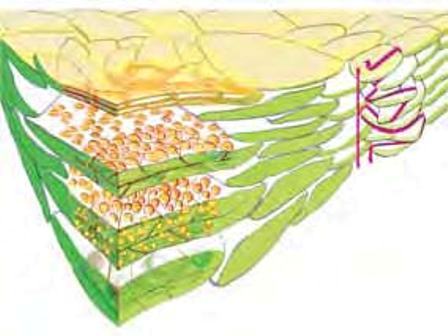
"Sensitive Skin Dog Food is needed when a dog's immune system reacts negatively to a certain food or substance. It occurs when there is an unusual sensitivity to a substance that the body perceives as foreign, usually a protein (eg; meat, eggs), carbohydrate, or both. The skin, being the most exposed organ on a dog, can react to an inhaled allergy, a substance that comes in contact with the skin, or a dog food allergy. Dietary goals include strengthening the skin (skin barrier protects against disease and allergens), reduction in skin inflammation and control of food hypersensitivities."
Overview
Some dogs are very sensitive to their environment or what they eat and require a dog food for sensitive skin. This may be a commercial dog food specially designed for dogs with sensitivities, or it may be a homemade diet that is customized to meet your dogs special needs.
Signs that a sensitive skin dog food may be needed include excessive scratching, licking, face rubbing and/or biting at the skin. This may be so excessive that hair starts to fall out. Hives (raised red bumps) may appear. Skin may be dry and flaky. Your dogs coat may be dull and dry. Your dog may also have an upset stomach, evidenced by vomiting or diarrhea. Symptoms usually appear all year and are not seasonal.
Dog skin itch and scratching can allow bacteria to enter the skin, causing a secondary infection.
There are three goals when controlling dog sensitive skin with diet (atopic dermatitis). These include:
- Strengthen the Skin Barrier: The skin barrier reduces body moisture loss and keeps allergens, infection and other causes of skin problems from entering the skin.
- Reduce Inflammation: Nutrients such as essential fatty acids (Omega-3, Omega-6) can be used to reduce skin inflammation as a dietary ingredient or as a supplement.
- Prevent Food Hypersensitivity: Identify and eliminate those food components that result in a skin reaction.
Types of Sensitive Skin Dog Food
Depending on the cause of the sensitive dog skin, a veterinarian will either recommend a "novel" protein diet or a "hydrolyzed" diet. Both types are referred to as being hypoallergenic dog diets.
The novel protein approach replaces your dog's current diet with a protein source that is new to the dog (e.g; rabbit, duck, venison, fish). Note that lamb and rice diets are usually not considered since many dogs have shown an allergic reaction to both foods.
A dog hydrolyzed diet is comprised of proteins that are already partially digested and small so that the dog's immune system does not view them as being foreign. Said another way, it is does not trigger an immune system response that results in dog skin inflammation.
In addition to dietary change, research supports the use of various supplements which are described below.
Dog Sensitive Skin Novel Protein Diets
Each of the major dog food companies offers a sensitive skin product. These are available online, but require a veterinarians prescription. They include:
- Hill's Prescription Diet Canine d/d: It has enhanced levels of omega-3 fatty acids and antioxidants, both of which are associated with the reduction of skin inflammation
- Eukanuba Custom Care
- Pro Plan
Dog Food Sensitive Skin Hydrolyzed Diet
Sensitive skin dog food includes products that are formulated using a hydrolyzed hypoallergenic dog diet. This particular product from Purina is a vegetarian diet that is highly digestible and a low allergy carbohydrate (soy).
The major manufacturers also offer several products including:
Home Made Sensitive Dog Skin Diets
We do not recommend using a home made diet as a sensitive skin dog food unless it has been formulated with the help of a veterinarian or veterinary nutritionist. A home made diet can make sense when trying an elimination diet (limits diet to the basics to see if food allergens have been removed from diet, ingredients are then slowly re-introduced). Specifically, a well balanced dog food must contain:
- Protein: from animals for vegetable (tofu)
- Essential Fatty Acids: Omega 3, Omega 5. linoleic acid, such as fats from vegetable oil
- Calcium and Phosphorous: High levels are required in a dog's diet
- Vitamins and Minerals: Diet should have high amounts of liver or egg, or a supplement.
Dog Sensitive Skin Supplements
Studies by the Waltham Research Center show that specific nutrients can help to improve skin barrier function. These nutrients helped to reduce water loss and reduced the ability of allergens to penetrate the skin (reduced atopic dermatitis).
These include:
- Nicotinamide (niacin)
- Pantothenic acid (vitamin B2 complex)
- Histidine (amino acid)
- Inositol (part of vitamin B complex)
- Choline (part of the vitamin B complex)
Most of these can be found in human supplements such as Basic B Complex. This particular product is formulated for humans. In dogs guidelines are (check with your veterinarian):
- weight under 25 pounds - 1/4 capsule daily - open capsule and sprinkle on food
- weight 25 pounds to 50 pounds - 1/4 - 1/2 capsule/per day
- weight 50 pounds to 100 pounds - 1/2 - 1 capsule per day
- 100+ pounds - 1 capsule per day
Fatty Acids: In cases of dog sensitive skin caused by allergy, both Omega-3 and Omega-6 have been shown to reduce skin inflammation. This approach does not help with dog skin itch (pruritis). Other research shows that these should be used together. They are available in a supplement such as Omega 3-6-9.
Curcumin: The herb curcumin has shown some benefit in dogs with sensitive skin. It works by inhibiting mast cell activation. Check with your veterinarian for the correct dose for your dog as available products are only human grade.
Resources Sensitive Skin Dog Food
Adverse Food Reaction and Diet Trials
Griffin, Craig E. DVM
Diagnosis and Management of Adverse Food Reactions in the Dog
Lloyd, David
Philip Roudebush, DVM, DACVIM
Timothy A. Allen, DVM, DACVIM
Dale Fritsch,BS, MS
Hill's Pet Nutrition, Inc.
Topeka, Kansas
Encyclopedia of Canine Clinical Nutrition
P. Pibot1, V. Biourge and D.A. Elliot (Eds.)
Royal Canin Research Center, Aimargues, France. Royal Canin USA, St Charles, MO, USA.


