Table of Contents
Overview | Causes | Symptoms & Diagnosis | Treatment | Ask a Vet
Summary of Cystitis in Dogs:
"Canine cystitis, inflammation of the wall of the urinary dog bladder, is caused by bacteria. Emphysematous cystitis refers to the formation of gas produced by the bacteria. Cystitis is a common problem in dogs, and females are more susceptible. 14% of dogs experience bacterial cystitis in their lifetime.(1) The most common signs associated with lower urinary tract infection include frequent urination, a reduced volume of urine, and the passing of blood mixed with pus at the end of the urine stream. Not all cases of a urinary tract infection will result in clinical symptoms (asymptomatic.). Each dog will vary in terms of the mix of symptoms.
Diagnosis is made thorough the use of laboratory tests, which can examine the urine specimen for the presence and amount of bacteria. Standard treatment is prescribed antibiotics, and may include supportive symptomatic therapy."
Overview
Canine cystitis refers to inflammation of the dog bladder. It is caused
by an increase in pathogenic bacteria, and a number of factors can trigger this imbalance, including tumors, fungus, injury and pelvic stress.
Regardless of the underlying problem the bacteria imbalance, specifically opportunistic bacteria, will need to be addressed, as it can worsen the
associated condition.
Cystitis in dogs is a common problem, for a few reasons, particularly since it is easy for a bacterial pathogen to enter into a body through the urethra, the tube that carries urine from the body. Females are more susceptible due to the shorter distance a bacterial population has to travel in order to inflame the bladder. Canine cystitis may be mild or severe depending on the cause and duration of the infection.
Common symptoms associated with lower urinary tract infection include frequent urination, a reduced volume of urine each time a dog urinates, and more specifically the passing of blood mixed with pus at the end of the urine stream. Other signs which indicate an inflammatory response in severe cases include include pain, an increase in the blood supply, loss of function, and fever. Clinical signs and a dog's history can help with making a diagnosis. However, it is only through a firm diagnosis is made thorough the use of laboratory procedures that are collectively called “Urinalysis”. Urinalysis is the physical, chemical, and microscopic examination of a urine sample (specimen). The use of antibiotics, including sensitivity tests to ensure that a dog doesn't have any negative reaction to the medication and supportive symptomatic therapy is an effective approach to treat cystitis in dogs.
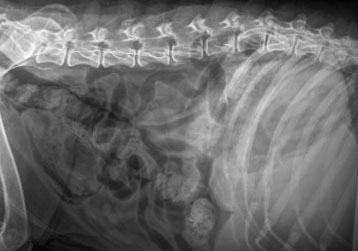
Classification
Dog cystitis are classified into two groups:
- Uncomplicated UTI: In this group the urinary tract infection originated in the bladder and has no other cause. The dog shows no other symptoms or signs of disease and the frequency of having a UTI is no more than every 4 to 6 months.
- Complicated UTI: In this case there is some kind of underlying condition that is resulting in the dog getting a urinary tract infection. Possible causes includes some of of problem with the urinary tract or another disease which is triggering the UTI. In males, cases of complicated UTI are often associated with some type of prostate problem. Since these cases are more complicated to treat issues such as relapse or an infection that is difficult to treat is common. Some diseases cause a persistent infection such as kidney disease (more frequent urination), gastrointestinal issues (less antibiotic absorption), or prostate disease.
What Causes Dogs to Relapse?
UTI relapse in dogs can be due to the antibiotics not eliminating bacteria from the urogential tract. Any bacteria not eliminated can then reinfect the urinary tract once the antibiotics are no longer taken.
Causes of Canine Cystitis
The cause of canine cystitis is bacteria. Different species of bacteria have been identified in different cases. More than one species of bacteria can cause dual types of infection in the urinary bladder at the same time. Species such as Staphylococcus and Proteus are the most common types of bacteria, identified in almost all cases of dog cystitis.
Bacteria naturally exists in the environment including in kennels, on bedding, and on the inguinal (groin) region of the dog. All of these sources of bacteria can enter into the urinary system through the urethra, which is how urine exits the body. For bacteria, this same passage serves as an opening into the body as well. Bacteria can travel up the urinary tract to the dog bladder. The bladder, particularly when it is storing urine before urination contains excreted glucose and other components that make the bladder a suitable environment for the multiplication of bacteria. After the bacterial population increases, it causes damage to the epithelium or lining of the bladder walls, which cause hemorrhages, blood and dead material called pus to mix together and then pass into the urine, usually at the end of the urine stream.
Some less common but possible problems that cause dog cystitis are tumors, fungus, injuries and pelvic bone stress. These conditions result in damage to the bladder wall where opportunistic bacteria can cause infection.
Specific Causes of Cystitis in Dogs
Emphysematous Cystitis
Emphysematous cystitis in dogs is the result of gas build-up from gas-forming bacteria such as E coli. Cases are usually found in dogs that have other conditions such as diabetes or receiving long-term prednisolone therapy. The prognosis is excellent with antibiotic treatment.
Polypoid Cystitis
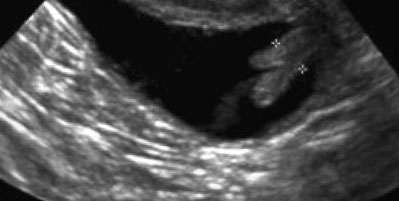
Polypoid cystitis in dogs results in the formation of growths in the bladder wall. This is different than neoplasia or cancerous growth. The growths make it more challenging to clear the UTI. In this case, the UTI can be cured with treatment up to 6 weeks. If the UTI does not clear, a veterinarian may need to surgically remove some of the growths (partial cystectomy).
Dog Bladder Neoplasia
Dog bladder neoplasia refers to the formation of cancerous tumors such as transitional cell carcinoma (TCC). Dog bladder cancer can cause similar symptoms to cystitis. Diagnosis is made via biopsy. The prognosis for dogs with bladder cancer is poor. If the tumors are resulting in a urinary blockage, inserting a stent could help improve urine flow.
Drug Induced Cystitis
Certain drugs such as medications that treat canine lymphoma can cause haemorrhagic cystitis (blood in urine). Treatment for this condition involves the medication furosemide used over 3 days. (4)
Prostatitis in Dogs
Canine prostatitis is found in older male dogs. It is caused by a bacterial infection that triggers prostate disease. Symptoms of prostatitis in dogs includes:
- Pyrexia (fever)
- Lethargic or tired behavior
- Anorexia (loss of appetite)
Dogs show few clinical symptoms. Diagnosis by a veterinarian involves a rectal examination where the size and shape of the dog prostate is checked.
Pyelonephritis
Pyelonephritis in dogs refers to kidney inflammation. It is typically the result of a spreading bacterial infection. Symptoms of pyelonephritis include:
- Dysuria (difficult or painful urination)
- Polyruia (excessive urination)
- Polydipsia (excessive thirst)
- Abdominal pain
- Pyrexia (fever)
- Lethargy
Pyelonephritis is diagnosed with a urine culture and urinalysis. Treatment involves hospitalization for 1 day for IV fluid therapy and antibiotics. Antibiotics are provided for 4 to 6 weeks.(6)
Urolithiasis
Dog urolithiasis refers to stones in the dog urinary tract. Some types of stones are caused by bacteria. Others such as struvite crystals are not. The veterinarian can diagnose urolithiasis with an X-Ray or untrasound.
Treatment depends on the size of the dog urinary tract stone such as removal, medications to dissolve the stone, lithotripsy or urohydropropulsion.(5)
Cystitis in Dogs Symptoms
In different studies, it has been proven that older dogs and females are more susceptible to cystitis. That is because older dogs have poor immunity, while females have a shorter distance between the vagina and the urinary bladder.
Due to inflammation, tumors, injury, or stress in the urinary bladder, or in any part of lower urinary tract, the tract can possibly become congested or partially or fully blocked. As a result, dogs may feel severe pain and have difficulty when urinating. Moreover, dogs will show signs of severe stress and abdominal pain, which is more frequent during urination or if urine is stored in bladder.
Typical symptoms of cystitis in dogs includes:
- Dysuria (painful urination, difficulty urinating)
- Stranguria (urinating drop by drop)
- Haematuria (blood in dog urine)
- Pollakiuria (frequent urination)
Dogs will urinate frequently, but in a reduced volume, which some research shows is the most common sign.(2) Due to stress and increased frequency, dogs will urinate in unusual places, including the possibility of urine dripping from the urethra and surrounding areas, which will also cause aggravation and stress for the owner.
In the case of a severe bladder infection, dogs may experience generalized signs of illness including fever, loss of body condition and loss of appetite. Blood may pass in the urine, mixed with pus with the color of the urine changing from pink to brown and cloudy in appearance. Apart from that, the viscosity (it becomes less watery) of the urine also causes pain and makes urination difficult.
Diagnosis of Canine Cystitis
Though clinical signs and history may help when diagnosing a problem in the urinary tract. Dog cystitis symptoms can never confirm the presence of cystitis as similar or like signs are noted in other conditions that affect the urinary system like in cases of cystic calculi, nephritis (inflammation of the kidney) or in the case of lower urinary tract syndrome etc.
In order to confirm an infection and inflammation in the bladder, a laboratory examination of a urine sample is compulsory. This group of tests is collectively called, “Urinalysis”. A urine sample is examined for its pH value, chemistry, contents, bacterial populations, epithelium pus, and the presence of blood. Physical consistency and appearance is also a part of this examination.
Bacterial species may not be isolated in all cases of canine cystitis; therefore, some advanced tests are also required. Similarly, in the case of tumors, obstruction and any injury, a biopsy and x-rays may also be required.
Treatment of Canine Cystitis
Historically, dogs with uncomplicated UTI infections were given antibiotics for 7 to 14 days. Recently this has shifted to shorter courses at a higher does using antibiotics such as enrofloxacin for 3 days.(2)
Amoxicillin, trimethoprim-sulfonamide are often used for treating uncomplicated cystitis in dogs.(3) The monitoring of progress is essential, and urine examination should be conducted after every 3 – 5 days during treatment. Antibiotic therapy may be continued for 4 – 6 weeks in complicated UTI cases, but it is only recommended in case a confirmatory diagnosis has been made.
For some dogs a veterinarian will recommend that the dog be retested after the antibiotic treatment to make sure the infection is gone.
For recurring canine cystitis and infection in the canine bladder, it is highly recommended that an underlying cause for the bacterial invasion should be determined. Tumors (neoplasia), injury or in some cases prolonged glucocorticoids therapy and hyperadrenocorticism may be the reason. In such cases x-rays, a biopsy, biochemical profile and some other advanced techniques can help in confirming the cause. Another cause is due to dog owners that do not follow the dosing instructions of the veterinarian.
Natural Dog Cystitis Treatment
Natural supplements may help during recovery from cystitis and to maintain bladder condition. For example, DetoxPlus is formulated to help with the elimination of bacterial toxins, but only after partial recovery is achieved with conventional approaches. Other products such as UTI-Free Formula contain ingredients that can help with symptoms such as frequent urination, canine bladder discomfort and dog urine leakage.
Use of oral cranberry extract such as the ingredients found in Max Cranberry for Dogs has demonstrated mixed results with no clear conclusions regarding the effectiveness in dogs. One trial found no impact while another found some evidence of cranberry extract preventing recurrent UTIs. Given the lack of clear evidence it is up to the dog owners to try and see if there are any results.
The use of probiotics has not been proven to help cure dog UTIs.(7)
Share Your Story or Ask a Question
Have a story to tell about this topic that will help others, or want to ask a question? Each week 1 question will be answered by our editors.
Brochure
Download this review of dog cystitis symptoms, causes and treatment.
Common factors that cause cystitis in dogs, diagnostic approach, symptoms, and treatment suggestions.
References
(1) Ling GV (1984). Therapeutic strategies involving antimicrobial treatment of the canine urinary tract, J Am Vet Med Assoc 185(10): 1,162-1,164.
(2) Westropp JL, Sykes JE, Irom S et al (2012). Evaluation of the efficacy and safety of high dose short duration enrofloxacin treatment regimen for uncomplicated urinary tract infections in dogs, J Vet Intern Med 26(3): 506-512.
(3) Weese JS, Blondeau JM, Boothe D et al (2011). Antimicrobial use guidelines for treatment of urinary tract disease in dogs and cats: antimicrobial guidelines working group of the International Society for Companion Animal Infectious Diseases, Vet Med Int, DOI: 10.4061/2011/263768.
(4) Best MP and Fry DR (2013). Incidence of sterile hemorrhagic cystitis in dogs receiving cyclophosphamide orally for three days without concurrent furosemide as part of a chemotherapeutic treatment for lymphoma: 57 cases (2007-2012), J Am Vet Med Assoc 243(7): 1,025-1,029.
(5) Lulich JP, Berent AC, Adams LG et al (2016). ACVIM small animal consensus recommendations on the treatment and prevention of uroliths in dogs and cats, J Vet Intern Med 30(5): 1,564-1,574.
(6) Danish Small Animal Veterinary Association (2013). Antibiotic use guidelines for companion animal practice.
(7) Hutchins RG, Bailey CS, Jacob ME et al (2013). The effect of an oral probiotic containing Lactobacillus, Bifidobacterium, and Bacillus species on the vaginal microbiota of spayed female dogs, J Vet Intern Med 27(6): 1,368-1,371.


