Table of Contents
Overview | Symptoms | Conditions | Vomiting | Upset | Q&A | Brochures | Gas, Gut Sounds and Rumbling
Summary:
"Dog Stomach Problems and aches can have multiple causes including ulcers, blockages, tumors, bloat (gastric dilatation volvulus), Addison's disease and gastritis. Dogs can also exhibit vomiting and diarrhea as a reaction to a problem in the intestines, food allergy or food intolerance.
The most common stomach related symptom is vomiting with or without diarrhea which should resolve itself within 24 to 48 hours. Be sure to differentiate vomiting (which is related to stomach problems, with regurgitation – see below for differences).
Risk factors for stomach or abdominal problems include any dogs that take corticosteroids or anti-inflammatories (NSAIDs), eating garbage or other unusual foods (pancreatitis), eating a foreign body which causes an obstruction, injury to the abdomen and a hernia, which is a bulge in the wall of the abdomen. Note that if your dog licked antifreeze in the street, this is a poison and requires immediate treatment.
It is important to know your dog's normal stomach sounds. If you dog has more stomach gurgling in the evening, but at not other time, this is probably normal for your dog. If the sounds you are hearing are louder or at a different time of day, then a veterinary visit is called for.
When to Call the Vet:
Be sure to call your veterinarian immediately if your dog is under age 6 months, you see objects in the vomit such as plastic or worms, your dog swallowed an object, you see blood, you see the stomach getting larger, your dog has other health problems or if the vomiting is persistent for a period of 4 hours or longer."
Overview
A dog's digestive system is made up of several organs including the:
- anus
- rectum
- intestines
- pancreas
- liver
- stomach
- esophagus
Within these organs, the body digests, absorbs nutrients, moves waste through the body and then eliminates it through liquids and stools. Dog stomach problems and related issues involve identifying where in the process things went wrong and then to seek the appropriate treatment for each underlying cause. Symptoms provide the best clue.
For example, vomiting digested food (undigested food refers to regurgitation, see below) indicates some type of stomach inflammation such as gastroenteritis. The challenge becomes differentiating a simple stomach issue from something that requires an advanced treatment approach such as liver or kidney disease. If vomiting for less than 4 days and there are no other symptoms, then treatment is usually withholding food and water until the vomiting stops, and then water only for 24 hours. If other symptoms such as weakness, weight loss, drooling, or trouble walking, lack of energy, then consult with a veterinarian. Also if your dog vomits everyday for more than 4 days, then a detailed veterinary exam is needed.
Other symptoms such as diarrhea usually indicate some type of bacterial infection, virus or parasites. Diarrhea color and consistency are important clues in reaching a diagnosis.
As a rule of thumb, if your dog is in pain, or if there is blood in the vomit or diarrhea then contact the vet. Behavioral changes, aches, pain, or a distended abdomen also indicate that a veterinarian should be consulted. Note that an enlarged and/or painful abdomen is considered to be an emergency and requires immediate medical care.
Causes of Dog Stomach Problems
Dog health stomach issues can be due to many different types of dog stomach problems including:
Acute Gastritis
-
Cause: Inflammation caused by foreign objects, bad food, food allergy,
infections, toxins
- Symptoms: Appetite loss, vomiting, abdomen pain
- Diagnosis: Blood, Urine tests
- Treatment: Nothing by mouth until
vomiting stops followed by sips of water and fluid therapy. Antiemetics
such as Chlorpromazine used to stop vomiting. Stomach calmed with
over-the-counter products such as Kaopectate and pepto-bismal.
- Prevention: If changing diet, make switch gradual, If vomiting 2 to 3 times, nothing by mouth for 24 hours. Watch dog like a hawk if prone to swallowing objects.
For additional reading see dog gastritis.
Immune-Mediated Inflammatory Bowel Disease (Colitis, Enteritis)
Canine inflammatory bowel disease (also called immune-mediated inflammatory bowel disease) happens when the stomach or intestines suffer from inflammation. It is caused by either eating table scraps or a parasitic infection.
Most dogs with persistent gastrointestinal problem have a form of inflammatory bowel disease called lymphocytic plasmacytic enteritis. Up to 80% of dogs with the disease respond well to changes in diet. Veterinarians prescribe foods that are more easily digestible or that lack problematic ingredients such as some proteins that provide an inflammatory response. Pet food companies have also created hydrolyzed diets in which the proteins are chemically "smashed" into smaller pieces to potentially avoid stimulating the dog's immune systems. Interestingly dogs being studied responded well to two types of dietary change; mixed-protein maintenance diets and hydrolyzed diets.
- Symptoms: Symptoms of dog IBD
include chronic vomiting, weight loss, diarrhea, straining to defecate
and mucus in the stool
- Diagnosis: Fecal tests
for parasites, blood and urine tests, endoscopy to check the stomach,
small intestine and colon, biopsy if needed
- Treatment: Treatment includes limiting food intake and eliminating the underlying cause. Medications are used to inhibit the immune system response (Cyclophosphamide). Sulfa drugs (Sulfasalazine) are used to address an inflammation, bacterial problems and colitis. Hypoallergenic diet with highly digestible proteins is recommended (chicken, duck, lamb, rabbit). Patient will need special diet and be monitored for life.
For additional reading see canine IBD.
Gastric Ulcers (Ulceration)
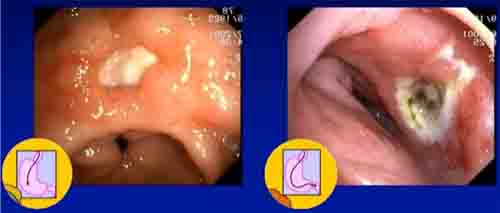
- Symptoms: Dogs can have no symptoms to vomiting
mixed with blood. Dog may have abdominal pain. Blood poisoning can
occur if ulcer causes any perforations in the stomach.
- Diagnosis: X-ray images and endoscopy
- Treatment: Fluid therapy to rehydrate the patient. Medications for HCI production (Omeprazole and H2 antagonist (Cimetidine). Avoid use of NSAIDS unless instructed by Veterinarian (provide only with food unless instructed otherwise)
For additional reading see gastric ulcers in dogs.
Bloat (Gastric Dilation - Volvulus)
- Symptoms: Distended abdomen (enlarged). Dog
will exhibit weakness, depression, excessive salivation
- Diagnosis: X-rays to indicate air
or gas filled stomach. Blood test to measure electrolyte levels,
physical examination.
- Treatment: Decompress stomach with
tube or surgery if needed.
- Prevention: Provide smaller meals, avoid exercise 1 hour after meals, provide high quality diet
For additional reading see dog bloat.
Dog Bloat X-Ray
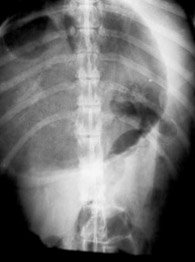 Bloat or Gastric Dilation Is Caused by Fluid and Gas Buildup in the Abdomen - Treatment is Required on an Emergency Basis
Gastric Neoplasia (Tumors)
Tumors are usually seen in older dogs. Signs and symptoms include:
- Symptoms: Vomiting (with or without
blood), weight loss
- Diagnosis: Biopsy to confirm
diagnosis, endoscopy, Contrast X-Ray
- Treatment: Surgical removal of tumor unless inoperable in which case supportive care is provided
For additional reading see gastric neoplasia and tumors.
Motion Sickness
Like people, your dog stomach problems can be due to motion sickness.
- Symptoms: Symptoms of dog motion sickness
include excess salivation, yawning and vomiting. Young dogs that are
not used to being in a moving car sometimes get motion sick. Once your
dog gets used to the motion, they should be fine. Until then your
veterinarian can prescribe common motion sickness drugs such as
Dramamine.
- Treatment: Treatment is also similar to humans with the use of Dramamine (dimenhydrinate) and Gravol. The dosage for dogs is 2 to 4 mg for every pound of your dog's body weight every 8 hours. Give your dog the mediation 1 hour prior to traveling. Never give your dog an over the counter medication without consulting your veterinarian.
Other tips for canine motion sickness are to give your dog a ginger snap cookie and have her travel on an empty stomach. Dogs can outgrow the problem as they get used to car travel.
Addison's Disease (Hypoadrenocorticism)
Canine Addison’s Disease is a dog stomach problem that impacts your dog's adrenal glands. These are the glands that sit on top of the kidneys and are located in the abdomen. The glands secrete hormones that help the body regulate itself. The disease occurs when the body's own immune system attacks the glands and causes them to shut down. When a dog collapses with no known cause, canine Addison's disease is usually suspected.
Adrenal glands excrete hormones that help the body function. This is not a stomach problem, but the symptoms are similar, such as diarrhea and vomiting.
Addison’s can be triggered by other illnesses and toxins that destroy the adrenal glands (toxic medications, tumors, infections). The glands can also be damage by an autoimmune reaction or in dogs that take corticosteroids (side effect of steroids).
Breeds predisposed to Addison’s include:
- Standard Poodles
- Portuguese Water Dogs
- Bearded Collies
Symptoms:
- Intermittent diarrhea and vomiting
- Slow pulse
- Lethargy
- Muscle weakness
- Collapse
Diagnosis:
- Diagnosis is made with a ACTH stimulation test.
Treatment:
- Treatment includes the use of corticosteroids and intravenous fluids. Prescription medications such as Florinef and Percorten can treat this condition along with intravenous fluids. Chronic cases are treated with oral cortisone. Dogs respond well to this approach and require treatment for the rest of their life.
For additional reading see Addison's Disease in dogs.
Other Causes Include:
Other Diseases With Similar Symptoms
Sometimes dog stomach problems are confused with problems that
affect the different places along the digestive tract (GI disease),
such as in the small intestine, large intestine and colon. Common
causes and problems include:
Esophageal Obstruction:
- Eating foreign objects (stones, bones, grass)
- Causes retching and appetite loss, increased salivation and restlessness
- Treatment involves removing the object causing the problem.
Dog Esophageal Obstruction
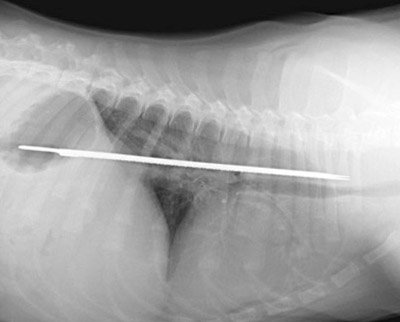 Esophageal Obstructions are Caused by Dogs That Eat A Foreign Object
Shown: X-Ray of Foreign Object
Intussusception:
- A problem where the intestines enfold into itself. Causes vomiting with or without blood, when the intestine enfolds into itself)
Viral Infection such as Parvovirus:
- Signs are diarrhea that is often mixed with blood. Accompanied by depression and appetite loss.
Bacterial Infection
Cancer
Megacolon:
- Signs are straining to defecate, vomiting, small and hard feces, vomiting
Pancreatitis
Diarrhea:
- Acute Diarrhea:
caused by diet change, medications or stress, provide nothing by mouth for 24 hours, water is ok if any vomiting has stopped.
- Parasite Diarrhea:
Caused by parasites or protozoa (giardia, Coccidia). Treatment requires medications such as Anthelmintics (parasites) or antiprotozoal medications.
- Inflammatory Bowel Disease:
Diarrhea with weight loss
The key to understanding these issues is the severity of the symptoms and how long they last. If the stomach is the problem, then the most common symptom is vomiting. If the problem is due to inflammation in the digestive tract then vomiting is often accompanied by diarrhea, weight loss, appetite loss, avoidance of eating (anorexia).
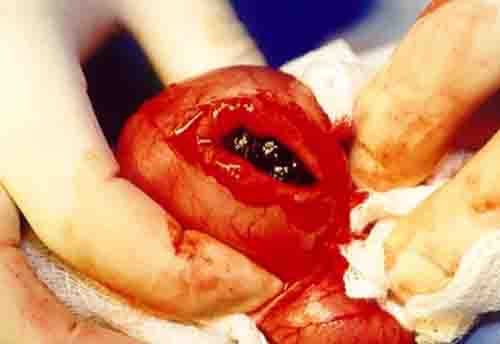
Signs of Dog Digestive Problems
If you see these signs related to a dog stomach problem, then take your dog to a veterinarian:
- Shaking or seizures
- Drinking unusual amounts of water
- Diarrhea, constipation or frequent urination
- Passing gas more than usual
- Burping more than usual
- Vomiting
- Blood in vomit or stool
- Changes in behavior:
- Lethargy (acting tired)
- Restlessness
- Confusion
- Acting uncomfortable
- Vocalizing
- Depression
- Abnormal postural changes (praying position or others in order to find a comfortable position)
- Stomach that is hard and round
Dog Gas, Stomach Rumbling and Gurgling
If you hear intestinal rumblings, it is caused by gas moving through the intestinal tract. Air in the stomach is released as a burp or if the gas is in the large intestine, as flatulence. This gas buildup as multiple causes.
Gas gets in when a dog swallows air. If a dog gulps food they will inhale air at the same time. Stress can also result in stomach noise or gurgling (called borborygmi). Gas can also be generated in reaction to a food intolerance or sensitivity. The colon has bacteria that helps to break down nutrients, with gas a byproduct. In some dogs, wheat, soybean, rice or potatoes can result in gas.
Rumbling in the gut can also be a prelude to diarrhea or vomiting.
Gas production can be reduced by switching to serving multiple small meals instead of one or two large meals. Consider purchasing a slow feeder or food puzzle game to slow down your dog's eating. If you have more than one dog, eating might be a race so consider separate feeding times or areas.
Stomach gurgling can be caused by eating spicy food or if a dog is eating from the trash. Related symptoms are diarrhea, vomiting, flatulence and loud gut sounds. If you notice that your dog is acting tired (lethargy) or has abdomen pain, it could be something serious that requires veterinary care. Food poisoning can cause a fever.
Gut sounds can also be caused by Inflammatory bowel disease. Sounds accompanied by diarrhea and vomiting can mean a gastrointestinal infection.
The absence of gut sounds can also indicate a problem such as a obstruction caused by a foreign body or mass in the gastrointestinal tract. This is usually accompanied by weight loss and vomiting.
Vomiting vs. Regurgitation
The most common symptoms of a dog stomach problem is vomiting. It is important to distinguish between regurgitation and vomiting. In regurgitation food that enters your dog is rejected before it enters the stomach. It is due to an issue with the esophagus, which is the tube that leads from the mouth into the stomach.
Regurgitation happens when there is something blocking the esophagus such as something your dog has eaten. Another accompanying symptom is drooling. A partial blockage will result in a persistent problem.
Vomiting is when the contents of your dog’s stomach is expelled by the body. It usually has a bad smell and looks like it contains food that hasn't been digested all of the way.
Stomach problems are related to vomiting. Other illnesses related to dog vomiting includes diabetes mellitus, kidney disease, liver disease or a problem with your dog's electrolytes (the sales and minerals that help the body conduct electrical impulses).
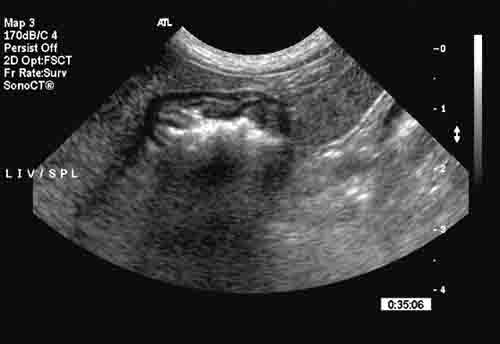
Dog Stomach Ultrasound
Dog Upset Stomach
Upset stomach is a general description of many possible dog stomach problems. For example if your dog persistently vomits after eating it could be caused of any of the problems listed below including some type of blockage, a thickening of the stomach wall or even a problem with the way the stomach empties.
Vomiting can be a sign of a simple problem (eating fast or eating grass) or something more sever such as pancreatitis, kidney disease and liver disease.
Your veterinarian will take x-rays or use ultrasound to see inside the stomach to determine the route of the problem.
Home Remedies and Dog Stomach Problems
If your canine has persistent dog stomach problems and medical causes have been ruled out (see following pages), one option is to try a remedy formulated to strengthen the dog's dietary system.
When your dog isn't eating right, or not getting the right foods/ingredients it could result in digestive imbalance. In the wild dog's naturally can select those things that are required to balance the diet. Household pets rely on pet parents.
Herbs and other natural ingredients act as a substitute for things in your dogs diet that might be missing, but that occur naturally in nature. There are several natural herbs that have been shown to support the stomach lining and digestive tract. These include:
- Glycyrrhiza glabra (licorice): associated with support of the
lining of the digestive tract. It also helps with bowels.(Arase Y,
Ikeda K, Murashima N, et al. “The long term efficacy of glycyrrhizin in
chronic hepatitis C patients”. Cancer 1997;79(8):1494-1500.)
- Ulmus fulva (slippery elm): common herb used to support digestive
health (DeHaan RL. Home remedies for pets. J Am Holistic Veterinary Med
Assoc 1994;12:26.)
- Althaea officinalis (marshmallow): soothes the mucous membranes
and the digestive tract lining.
One product worth researching and discussing with your veterinarian for dog stomach problems is called Digestive Support. Discuss this and other options with your veterinarian so that he or she can track your dog's progress.
Preventing Stomach Problems
Prevention of dog stomach problems includes feeling your dog a balanced diet and avoiding opportunities for your dog to over eat or ingest a foreign object. A balanced diet contains:
- Carbohydrates (starch, sugar, roughage, fiber, grains, cereals)
- Fats (important for vitamin absorption)
- Proteins (vegetable, meat, eggs, dairy)
- Vitamins (B, A, D, E, K- dogs do not require C)
- Minerals (Iodine, iron, copper, cobalt, zinc, manganese,
flourine,
chromium)
- Water
As long as you are feeding your dog a reputable commercial brand that is AAFCO certified. then you should be providing the necessary nutrients for dog stomach health. The biggest difference between types is the amount of water in the food, which isn't an issue if your dog is drinking properly. Dry dog foods tend to cost less and are fine for most dogs. If you believe diet is a problem your veterinarian can recommend a Prescription Diet that limits certain parts of the diet.
Ask Our Vet A Dog Stomach Related Question - We'll Answer It For Free
Have A Question For Our Vet About A Dog Stomach Problem?
Do you have a question for our veterinarian about a dog stomach problem? Share it and we will answer it for free!
Please include your dog's age, breed, medical history and if possible, a picture of the condition.
We will do our best to get back to you quickly (it depends on how many questions we receive each day). If you do require an immediate response we suggest using this online dog veterinary service that is available now.
Other Reader Dog Gastrointestinal Related Questions and Vet Suggestions
Click below to see contributions from other visitors to this page...
How to Treat Dog Stomach Pain Not rated yet
Reader Question: What to do for dog stomach pain?
Thank you for a great detailed article. I have a three year old male standard poodle. For almost …
Treating A Dog Stomach Tumor or Mass Not rated yet
Reader Question: Treating a Dog Stomach Mass or Related Problem
My 11 year old Bulldog/Black Lab "Ebby" ate raw venison at a friends house that processes …
Recovery After Dog Swallowed Bone Not rated yet
Reader Question: Dog Swallowed Bone Recovery
Our Cane Corso got into the trash and swallowed a small cooked beef short rib Friday. He quit eating …
Dog Stomach Problems After Eye Surgery Not rated yet
Reader Question: Dog Stomach Problems After Surgery
Hi my dog has recently had an corneal transplant and started to be sick from the anti inflammatory …
Causes of An Enlarged Dog Stomach Not rated yet
Reader Question: What Can Cause My Dog's Enlarged Stomach
My dog is a 9 year old Pitbull that has had all of the regular shots. Now he has an enlarged …
Brochures
Free Brochures on Dog Stomach Problems:
Treating Dog Gastritis
(PDF Download)
Author: Petcare Veterinary Hospital
Dog Stomach Ulcers and Gastritis
(PDF Download)
Author: Hill's
For More Information:
Dog Bloat, The Mother of All Emergencies


